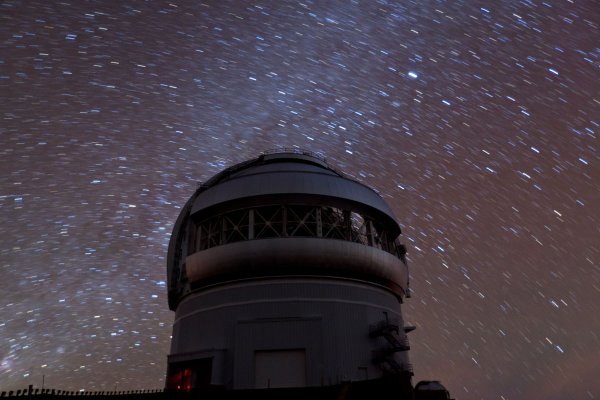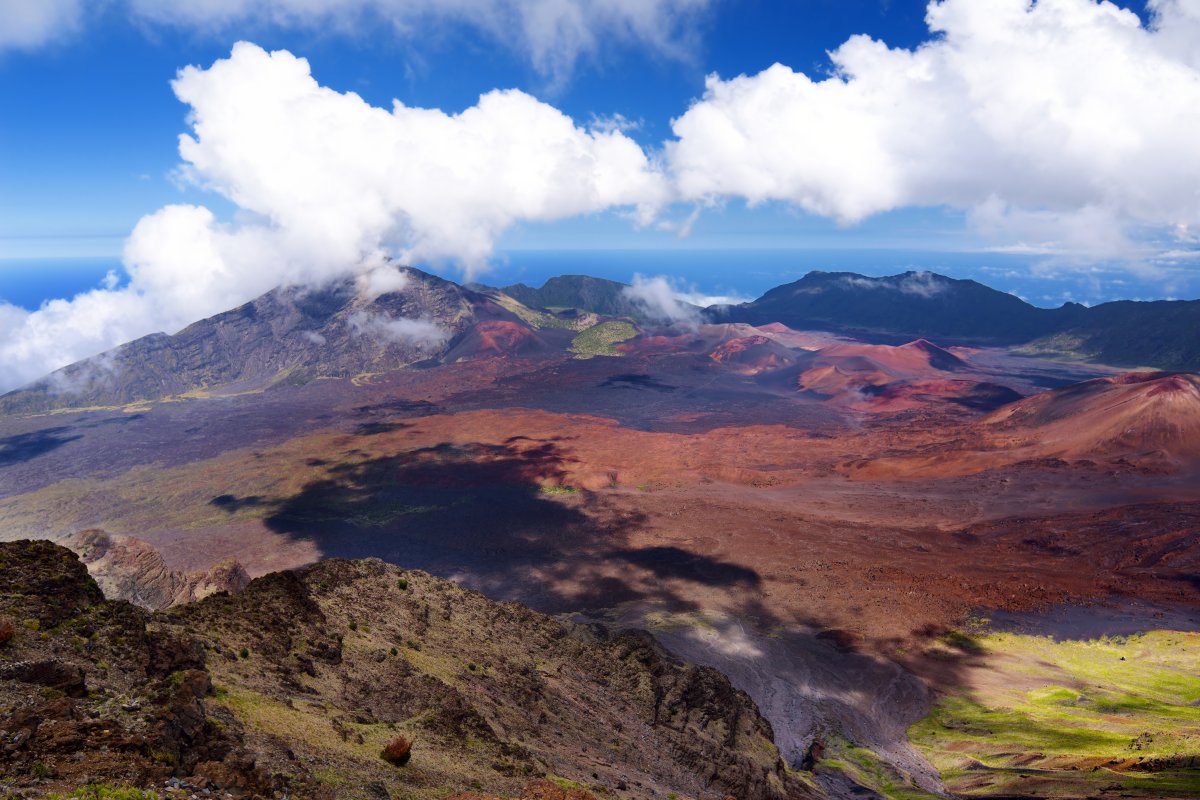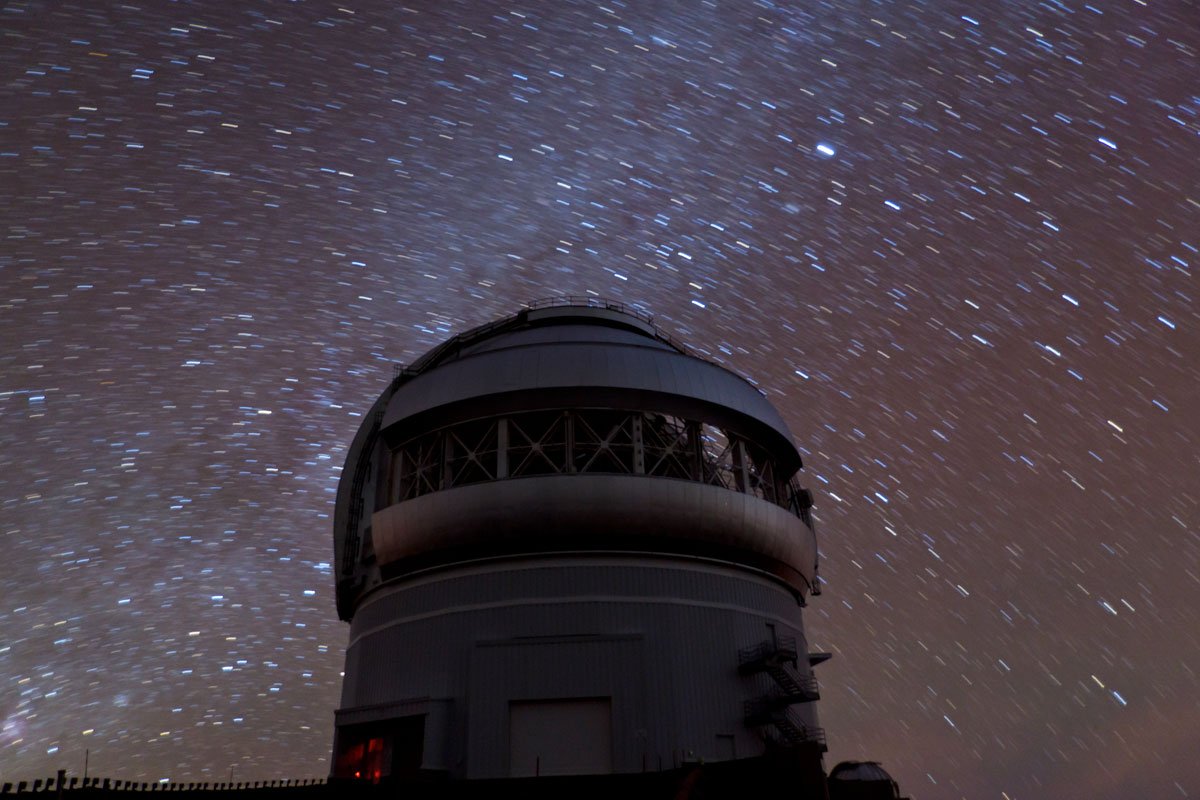
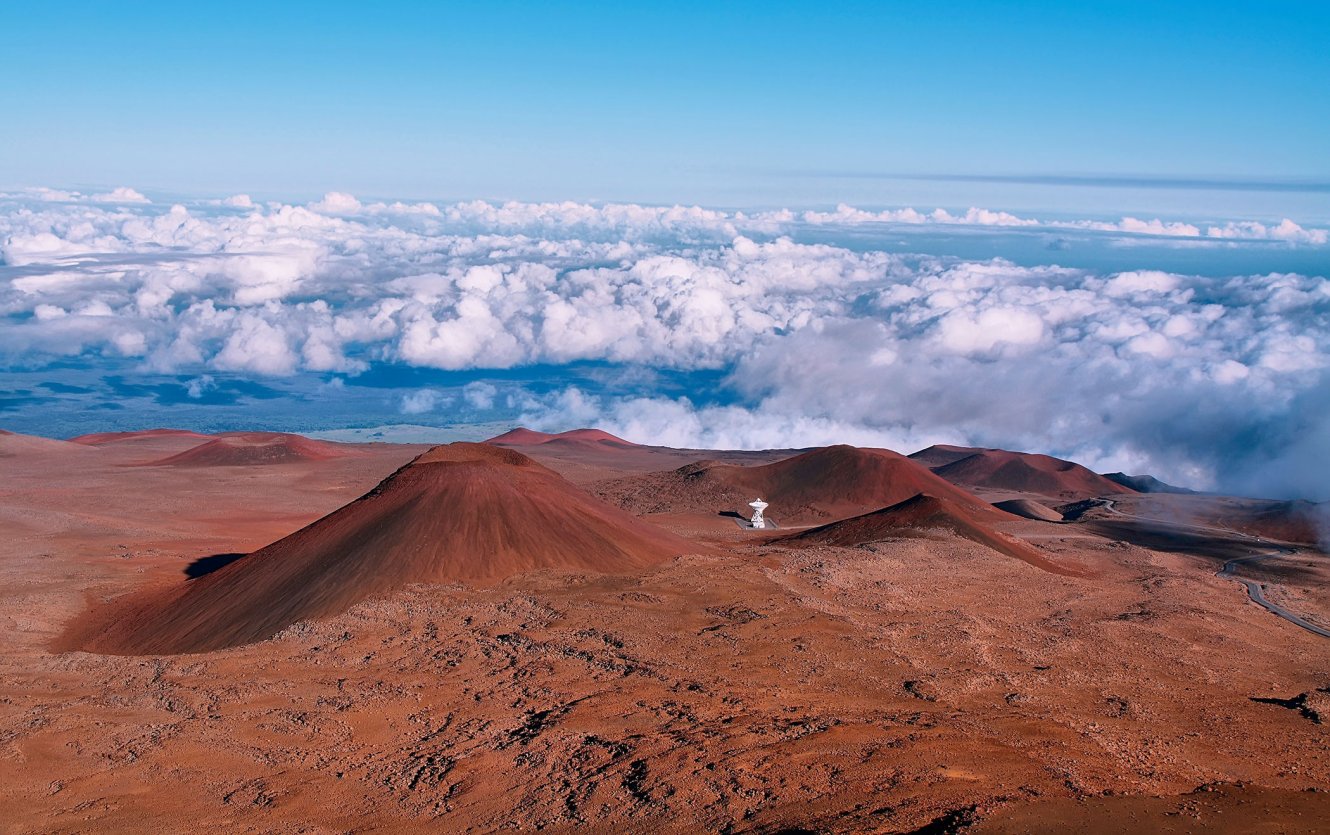

Hawaiʻi fall stargazing is the season most coverage skips. Summer gets the bulk of the attention — long evenings, Milky Way overhead at midnight, summit tours at full schedule. The clearest, most stable air over the islands lands later. From mid-September through November, the summer trade-wind pattern eases, the wet season hasn’t yet arrived in force, and the upper atmosphere above the summits enters its sharpest stretch of the year. Astronomers call it “good seeing,” and it’s the same window that made Mauna Kea and Haleakalā the observatory sites they are.
If you’re planning a trip for the post-Labor-Day shoulder window through Thanksgiving, you’re arriving in the best stargazing season of the year. Here’s the calendar, the locations, the current access realities for both summits, and the Hawaiian cultural anchor that ties the season together.