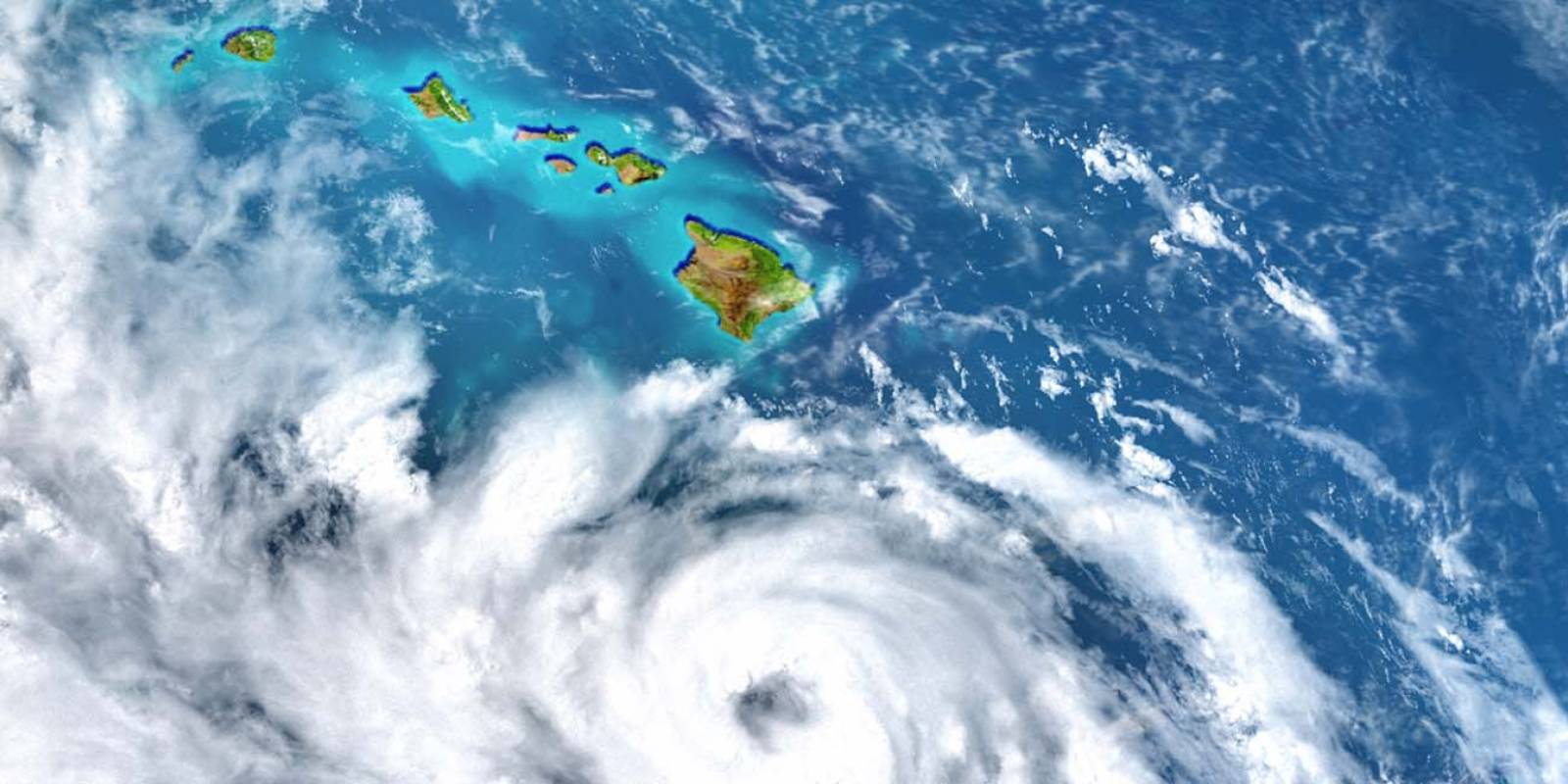


If your Hawaii trip lands between October and April, you're traveling during the islands' wet season. That's not a marketing line — the National Weather Service's Honolulu office formally splits the Hawaiian climate into two seasons: a dry summer that runs roughly May through September and a wet winter that runs October through April. Trip planners booking a fall vacation three or four months out almost never see this on the postcards.
The good news is that "wet season" in Hawaii does not mean what it means in, say, Costa Rica or Southeast Asia. There are no weeks of continuous rain. What changes is the pattern of weather — more frequent showers, more variable trade winds, and the occasional multi-day system parked over the islands. Knowing the difference between a rainy-day vacation and a wet-season vacation is the difference between salvaging a trip and planning one well.