
Most of Hawaiʻi’s best-known hikes have a real version and a tourist version. The tourist version is the one you find on the first page of a search result: a name, a parking lot, a thousand other people already there at 9 a.m. The real version is usually a half-mile off that trail, behind a locked gate, or down a side spur most people walk past without seeing. Hawaii guided hiking tours are the shortcut into the second version. They get you past permit gates you couldn’t unlock as a visitor, with a driver who’s done it three times this week and someone on the trail who knows which spur leads to the better view. That’s true on every island. The operator you book still changes a lot depending on whether you’re after a volcano hike, a waterfall swim, or a quiet ridge with no crowds. Here’s the by-island shortlist for summer 2026: who runs what, what the trips actually include, and how to pick the one that fits your day.
Guides buy access and logistics you can't replicate solo
Three practical reasons. Access. Several of Hawaiʻi’s best hikes cross private land or sit inside permit-only reserves. The Hakalau Forest National Wildlife Refuge on the Big Island is open to the public only one Saturday a month by reservation, with day-to-day access running through a small list of permitted commercial guides. On Kauai, operators like Da Life Outdoors run their flagship waterfall trip on private property closed to the public. You can’t pull either of those permits on your own. Logistics. Sunrise hikes start before sunrise. That means a pre-dawn wake-up, a drive in the dark to a trailhead you’ve never seen, and parking that fills early in peak season. Guided trips include pickup and a driver who’s run the road this week. Worth a lot when you’re on vacation. Reading the land. A good Hawaiʻi hiking guide is a naturalist, not a sergeant. They’ll point out the kāhili ginger that’s choking the native rainforest, the ʻōhiʻa lehua recovering from rapid ʻōhiʻa death, the lava-tube skylight you’d walk past in five minutes if no one told you to look. We covered the broader case for going slow and reading native ecosystems in our ethical wildlife encounters guide. One caveat. Guided hikes are not cheap. Most run somewhere between roughly $150 and $300 per person for a half day. Hike Maui’s Waterfall & Rainforest Adventure runs around $180 per person, and Hawaii Forest & Trail’s volcano hikes from Kona push past $300 for adults; Maunakea trips run higher still. Confirm current prices on each operator’s site, since they move every season. We covered the broader summer 2026 booking curve in our tour booking lead times piece; most guided hikes are bookable inside two weeks out, with sunrise departures and small-group exclusives going earlier.
Oahu — Kaimana Tours and the small-group hike menu
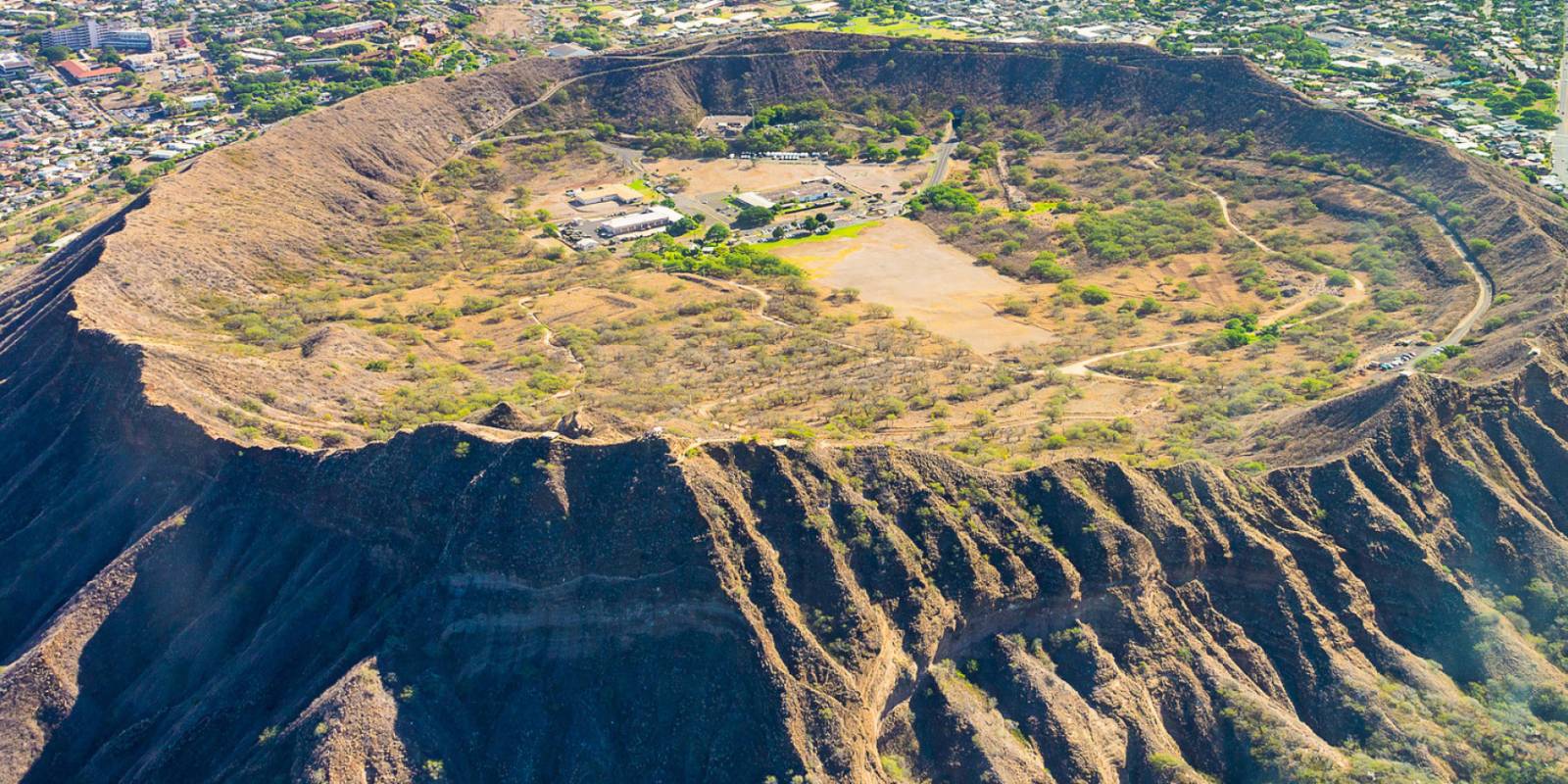
Oahu’s most-walked trails (Diamond Head, Mānoa Falls, Makapuʻu Lighthouse) don’t strictly require a guide. What you’re paying for on Oahu is hotel pickup and a small group that doesn’t have to figure out the bus schedule. Kailua-based Kaimana Tours runs the cleanest small-group hike menu we’ve seen on the island. Three options worth knowing: The Makapuʻu Point Lighthouse Trail Hike & Halona Blowhole pairs the paved Makapuʻu Point lighthouse walk with a stop at the Halona Blowhole on the way back to town. Wide ocean views, a moderate climb, doable for non-hikers. Humpback season in Hawaiʻi runs roughly November through May per NOAA, with peak sightings January through March, so summer is past it. The views still earn the walk. The Mānoa Falls Rainforest & Self-Guided Hike handles the transport-and-parking problem at the Mānoa Falls trailhead (Mānoa has been a parking nightmare for years) and points you up a wet rainforest trail to the 150-foot fall. The hike itself is self-guided. You get the transport, the gear, and a head start on the crowds. The Best Oahu Hikes tour (Kaimana lists it on their site as the Oahu Scenic Hike Tour) bundles two or three of the island’s signature trails into a single day, swapping order based on weather and group fitness. Useful if you’ve got one outdoors day on Oahu and don’t want to pick. If those don’t fit, scan Viator’s Oahu tours page and filter for “hike.” The lineup includes shorter ridge walks and pillbox climbs from other small operators. For trail-by-trail details on Oahu’s standout hikes, the Oahu hiking tours hub lists the routes most guides run.
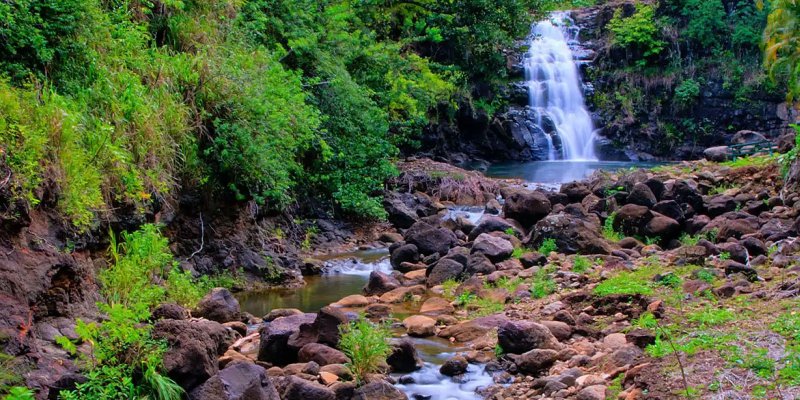
North Shore Oahu coastal trails. Oahu guided hikes typically leave Waikiki in the early morning, which still gets you to a quiet trailhead before the bus crowd shows up. Confirm your pickup window with the operator the night before.
Maui — Hike Maui, the Pīpīwai bamboo forest, and the Haleakalā crater
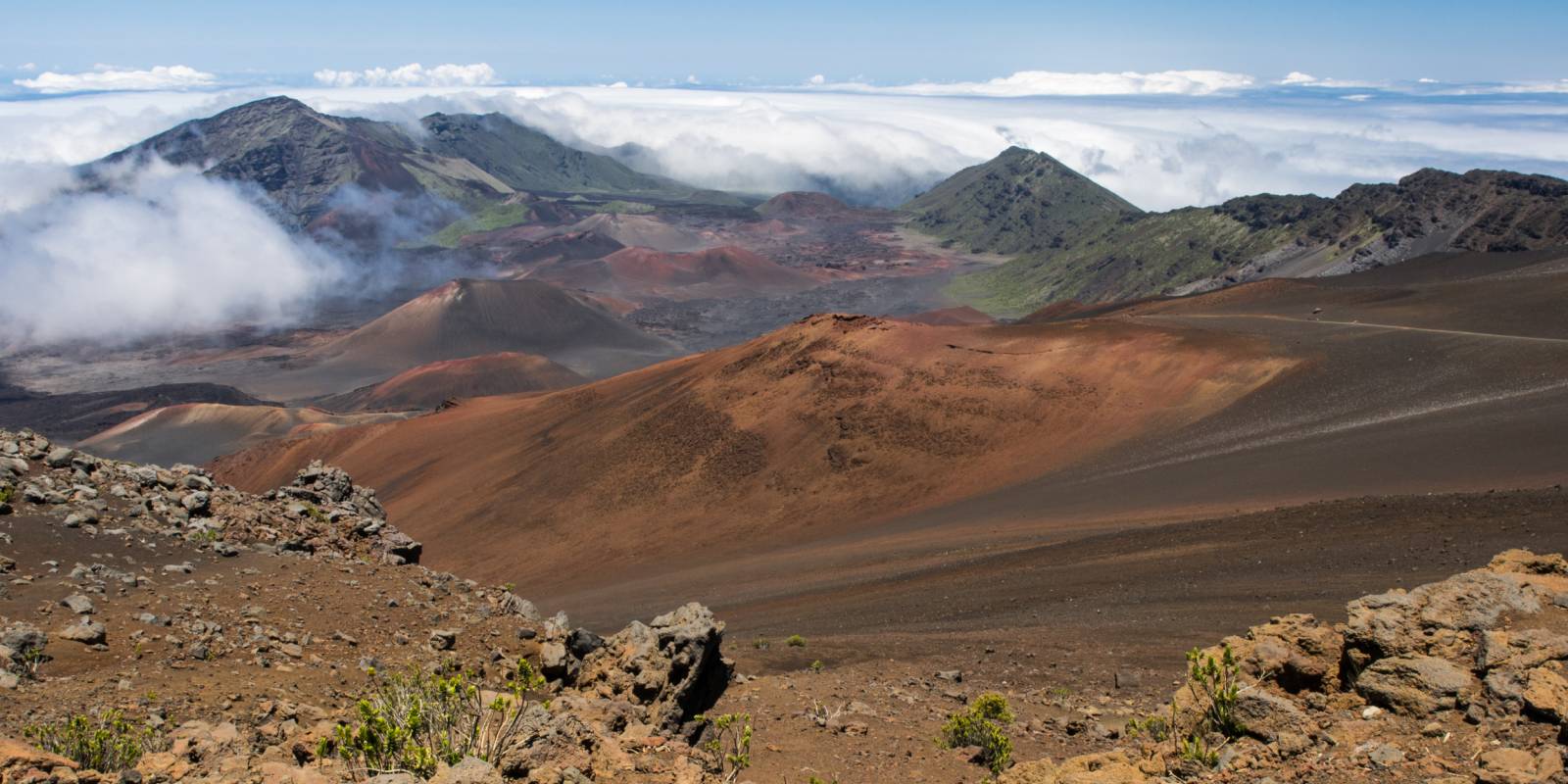
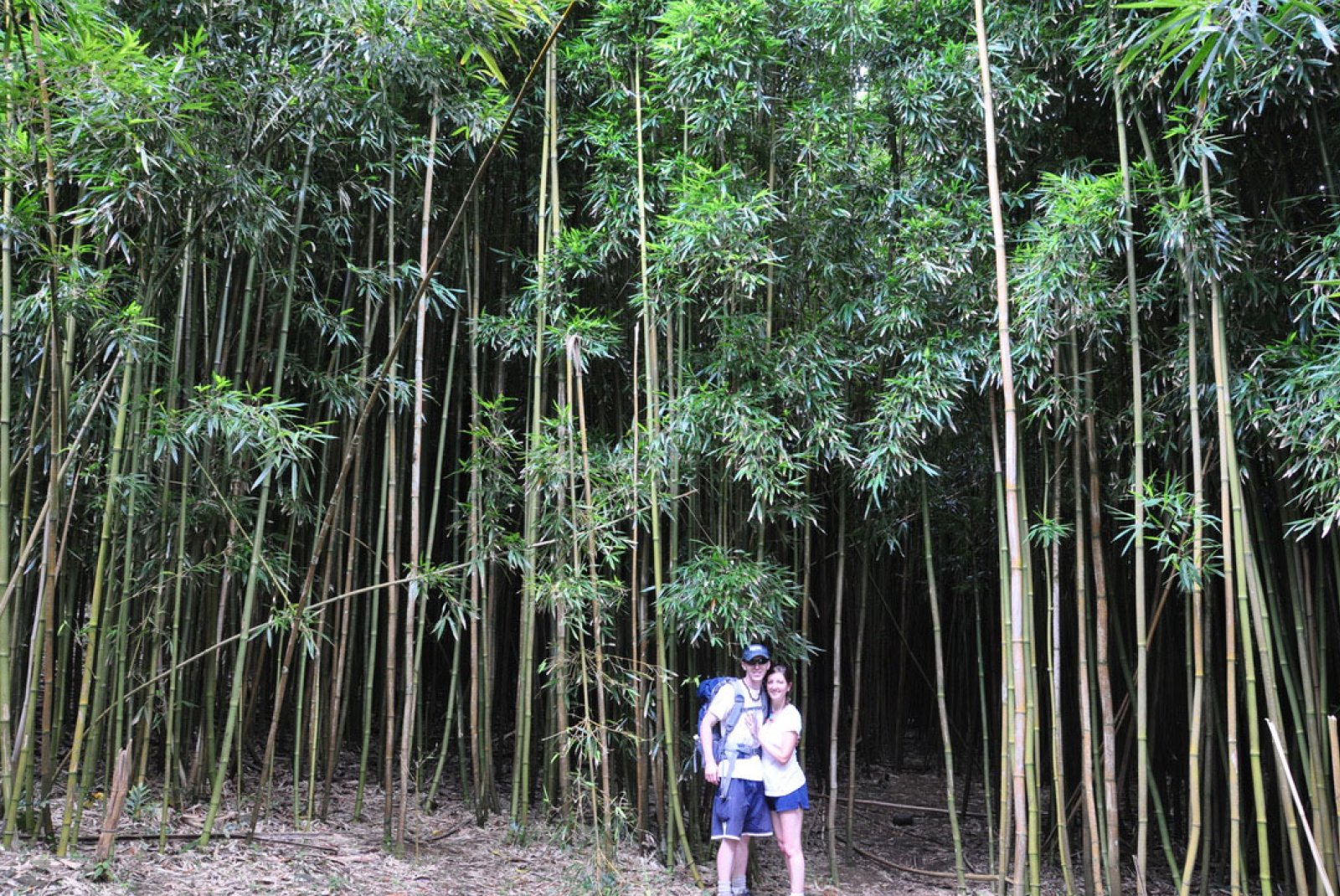
Our Maui pick is Hike Maui, and Maui is where the bookable hike menu gets the deepest. Hike Maui has run guided trips on the island since 1983, and their flagship waterfall trip is on a privately owned 30-acre property closed to the public, which most one-off guides on the island can’t match. Three of their categories map to different days: Waterfall hikes. The signature trip is the Waterfall & Rainforest Adventure on that private property on the road to Hāna, with multiple pools you can swim under. You skip the Twin Falls pullout crush along the highway because the property is gated and reservation-only. Half day from a Central or West Maui pickup, moderate difficulty. The Pīpīwai Trail. Maui’s bamboo-forest hike inside Haleakalā National Park’s Kīpahulu district at the end of the Road to Hāna. NPS lists it at 4 miles round-trip with 800 feet of elevation gain, ending at the 400-foot Waimoku Falls against the back of a rainforest cathedral. Hike Maui’s Hāna and Kīpahulu trip handles the long Hāna drive so you don’t have to white-knuckle the narrow road home at dusk. Haleakalā crater hikes. The Sliding Sands (Keoneheʻeheʻe) Trail drops from the 10,023-foot summit onto a Martian-looking valley floor of cinder cones and lava tubes. NPS measures it at 11 miles round trip to Kapalaoa Cabin: a serious day hike with serious altitude. A guided version is worth it for the altitude management alone. To compare current Maui guided hiking options across operators, see guided hiking on Viator’s Maui page. The Maui hiking tours hub breaks down each format by difficulty and the time of year that works best. One Maui-specific caveat. Summit-area weather is volatile and the visibility window can collapse without warning. The park’s official guidance lists summit temperatures at least 30°F colder than sea level, with overnight lows often below freezing. Bring a real layer, not a beach cover-up.
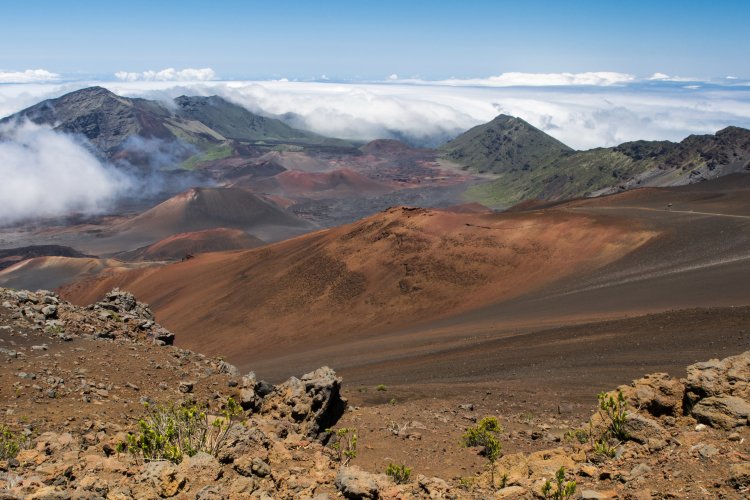
Sliding Sands drops into Haleakalā's crater floor from over 10,000 feet. The descent is the easy part. The climb back out at altitude is what makes a guided version worth the price.
Big Island — Hawaii Forest & Trail and the volcano-day question
The Big Island has the best landscape-diversity story in the state. Active volcano on the south flank, rainforest on the east, cattle country in Kohala, alpine summit on Maunakea. Our pick here is Hawaii Forest & Trail out of Kailua-Kona. They sit on the U.S. Fish and Wildlife Service’s short list of permitted commercial operators for Hakalau Forest, and they run trips on private working ranches in Kohala and Kona that don’t show up on AllTrails. Their bookable trips line up roughly like this: The Volcano Direct Hiking Adventure and the longer Volcano, Chocolate & Waterfalls both head to Hawaiʻi Volcanoes National Park. They time the visit around current eruption status. Kīlauea has been intermittently active in episodes in recent years, so check the USGS HVO updates before you book. Guides know which overlook is open, where the gas plume is, and which trail spur is closed today. The Hidden Craters Hike goes onto a private ranch on Hualālai with lava-tube systems and a string of pit craters off the main road. Not a route you can replicate on your own. The Kohala Waterfalls Adventure runs out of Kona by van onto a private plantation road in Kohala and ends at a series of cascades you can swim in. Summer is a good window for the swim portion: warmer water, less wind, and stretches of dry trail between rain bands. Birders should know about the Hakalau Forest Reserve Birdwatching Exclusive: a permit-only walk into native ʻōhiʻa forest above 6,000 feet with a real chance at endemic honeycreepers (ʻakiapōlāʻau, ʻākepa, Hawaiʻi creeper). The refuge limits guided commercial access, so book early if your dates are fixed. For self-guided alternatives, the Kīlauea Iki Trail inside the park is the one to do on your own if you only have one half day. NPS describes it as a 3.3-mile loop that drops onto the 1959 crater floor and climbs back through rainforest. The Big Island hiking tours hub maps the rest by region.
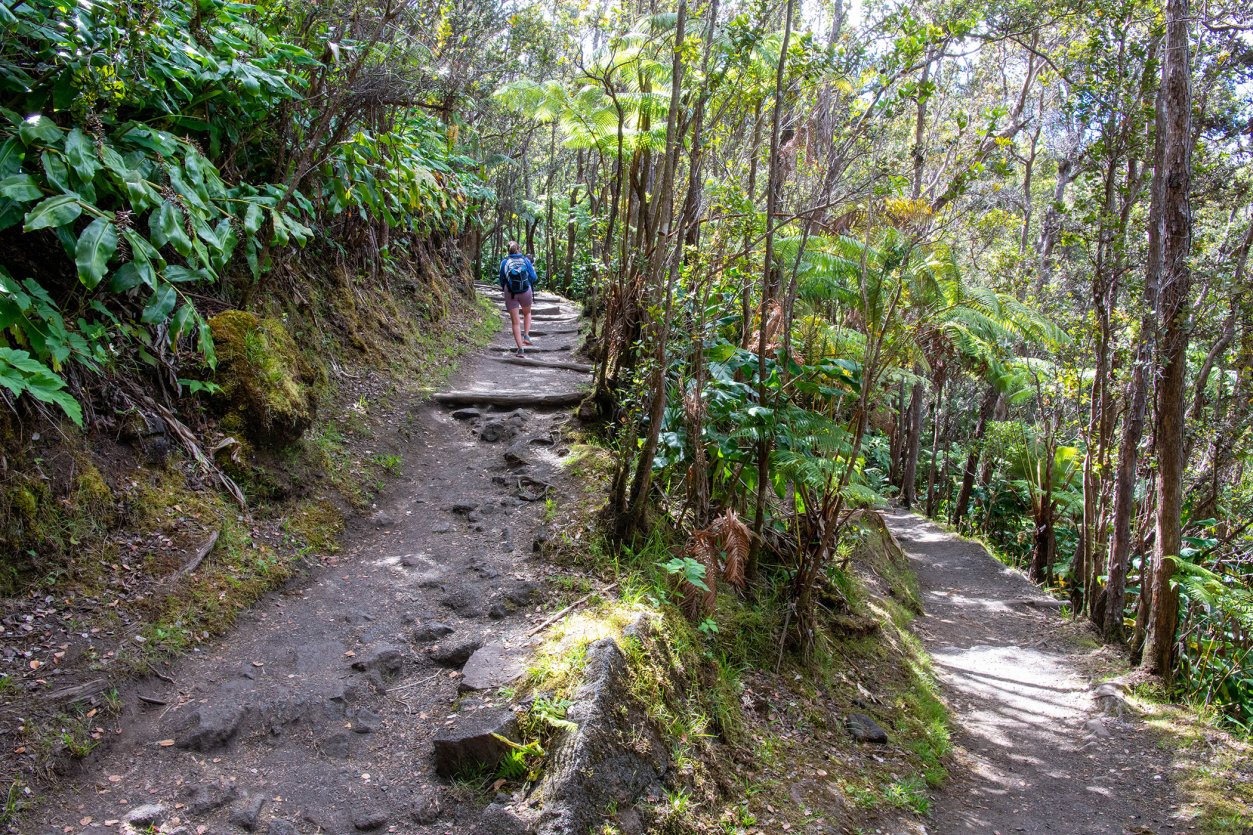
Kīlauea Iki crater floor. The 1959 lava lake is now a hike across the cooled surface and back up through rainforest. The DIY counterpart to the guided volcano trips above.
Kauai — Da Life Outdoors and the waterfall-swim format
Kauai’s hike menu is mostly about water. Most of the island’s best-known guided trips end at a waterfall pool you can swim in, rather than a summit ridge or a crater. The Kalalau Trail and the Awaʻawapuhi-style ridge walks are mostly DIY territory. The Kauai operator we’d send a visitor to is Da Life Outdoors / Kauai Beach Boys out of Līhuʻe. Their Waterfall Swim and Hike walks into a private waterfall property with a pool deep enough to swim under the falls. Around two hours from pickup to drop-off, moderate footing, and a real swim payoff at the end. The photographs work without filters. They also run a waterfall rappel option for travelers who want a step up from a hike: a guided rope descent down a 30-foot cascade on the same property. Different category, same operator. If you’d rather hike Kauai’s famous ridges or the north-shore coast unguided, the Kauai hiking trails hub maps the Kalalau, Awaʻawapuhi, and Kōkeʻe-area trails, most of which you can do on your own with a permit and an early start. Kalalau in particular requires a Hāʻena State Park entry reservation booked well in advance for both parking and the trailhead. For the broader Kauai guided-tour lineup beyond hiking, our Kauai guided tours hub shows what else is bookable.
Quick logic for picking which island
Short version. Want urban-adjacent hikes with hotel pickup and a moderate effort level? Book Oahu. Kaimana Tours covers the island’s headline trails without a rental car. Want a bamboo-forest waterfall day or a serious crater hike? Maui has the deepest bookable lineup. Want to walk on a 1959 lava lake or swim under a Kohala falls? The Big Island and Hawaii Forest & Trail are the right call. Want a waterfall pool you can actually swim in? Kauai’s Da Life is the cleanest format. Whichever you pick, a few things hold across all four islands. Book the morning slot, because afternoons bring heat, trade winds, and crowd buildup. Bring real footwear (not a beach sandal) even on a “moderate” trip, since most Hawaiʻi trails are slick basalt or wet roots. Our Hawaiʻi footwear guide has the baseline. And confirm pickup time the night before. The best Hawaiʻi hiking days start early. That’s still the whole pitch.