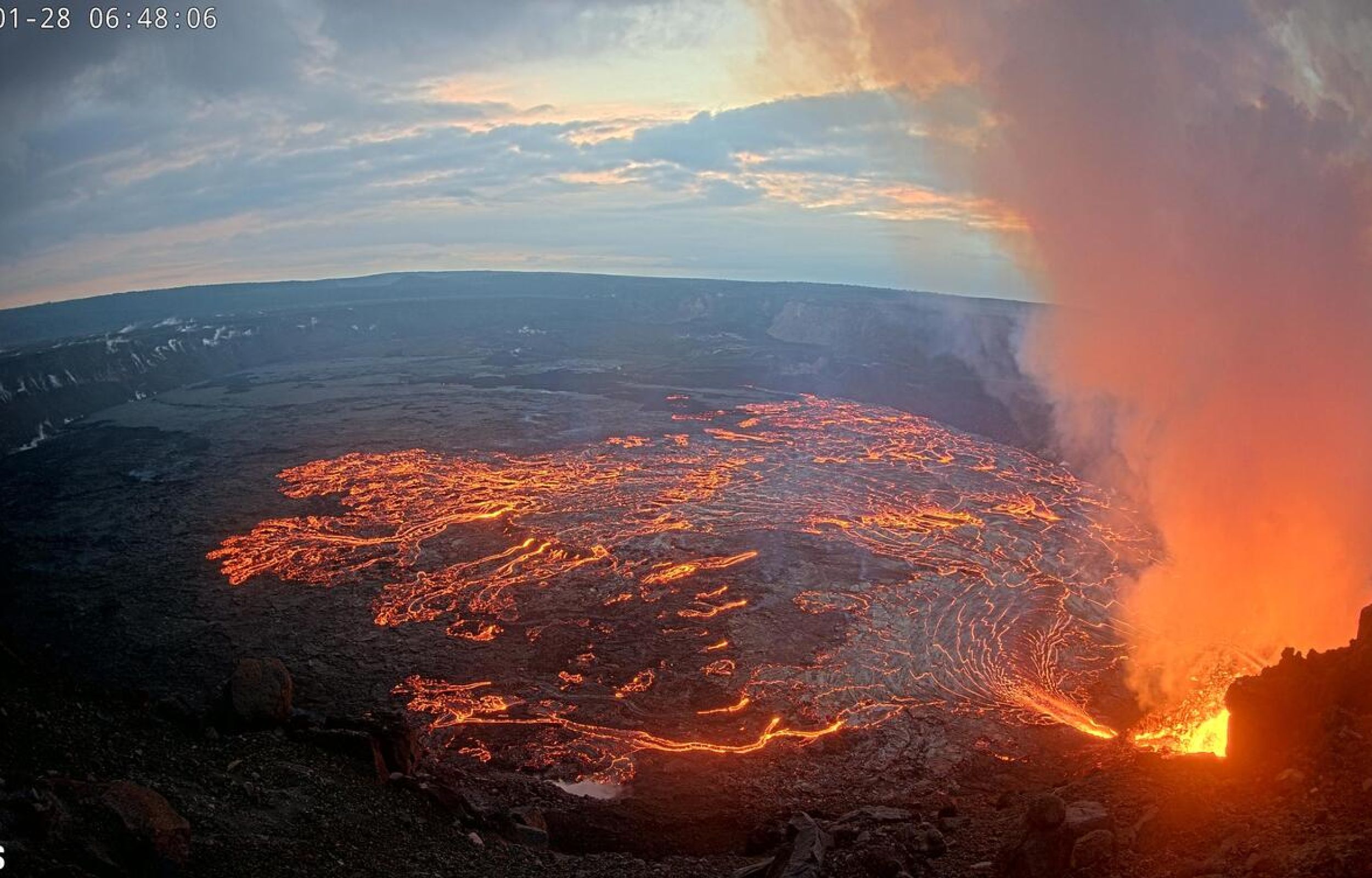
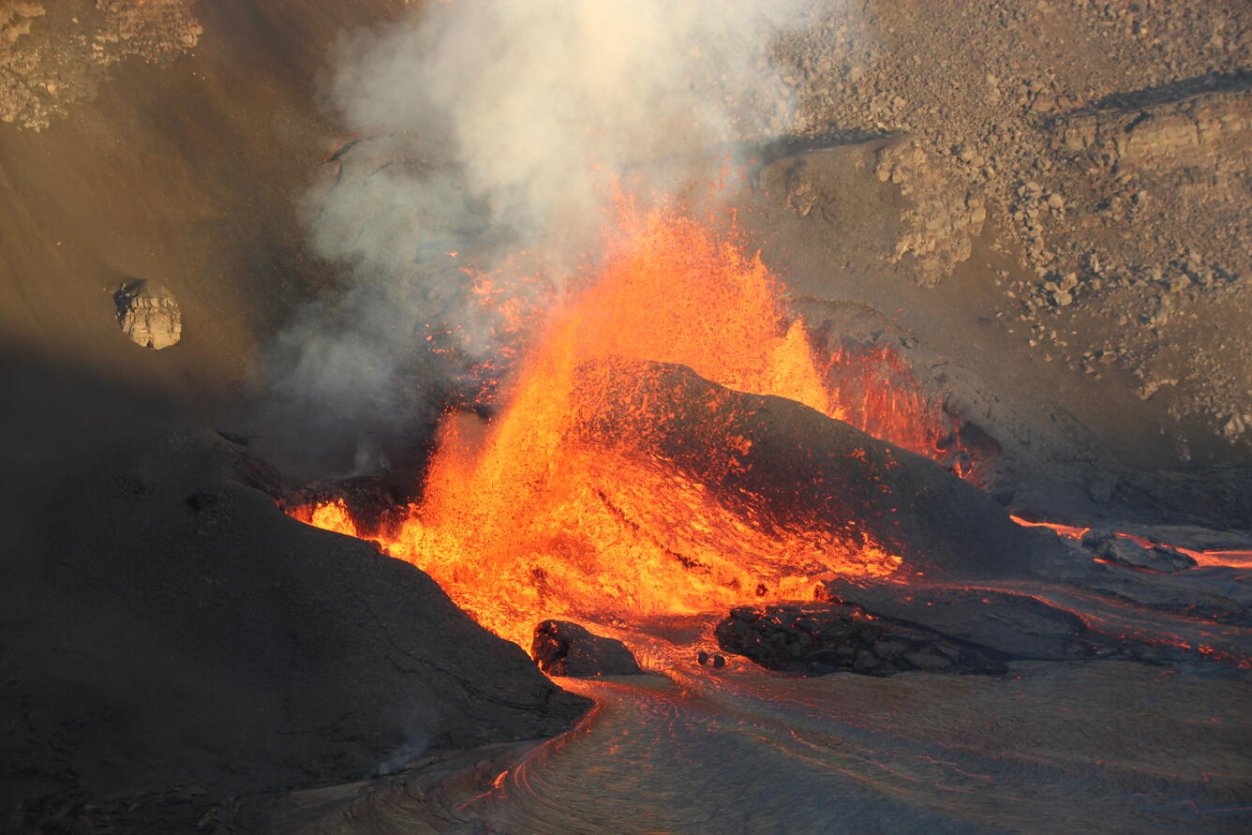

Hawaiʻi Volcanoes National Park turns 110 years old on August 1, 2026, and the timing is unusually good for a visit. Kīlauea has been in an episodic summit eruption series since late December 2024, with vigorous lava fountaining inside Halemaʻumaʻu separated by quieter pauses — meaning August travelers have a real shot at watching active fountaining from a paved overlook, something almost no other U.S. national park offers. Most of the park’s headline experiences are open: the partial Crater Rim Drive loop, all 19 miles of Chain of Craters Road, and Nāhuku (the lava tube). Mauna Loa’s summit road is the main thing still closed. Below: what to expect this summer, what the eruption changes on the ground, and the practical fees-and-hours details.
The flip side of an active eruption is that traffic, parking, and air quality shift faster than the park’s website can update, so the visit asks for a little flexibility. I’ll walk through how to plan around that further down.
A short, useful history
Hawaiʻi Volcanoes was created on August 1, 1916, when President Woodrow Wilson signed the bill making it the 11th national park in the system. The original legislation grouped Kīlauea and Mauna Loa on Hawaiʻi Island with Haleakalā on Maui under a single “Hawaii National Park” — a practical choice given how thin federal staffing was in the territory at the time. The split into two parks came in 1961, when Haleakalā became its own unit. UNESCO designated Hawaiʻi Volcanoes a Biosphere Reserve in 1980 and a World Heritage Site in 1987, citing both the active volcanism and the rare ecosystems that survive on lava-flow geology. The park now covers 335,259 acres — about 523 square miles — from coast to summit, including most of Mauna Loa’s southeast flank and the upper part of Kīlauea.
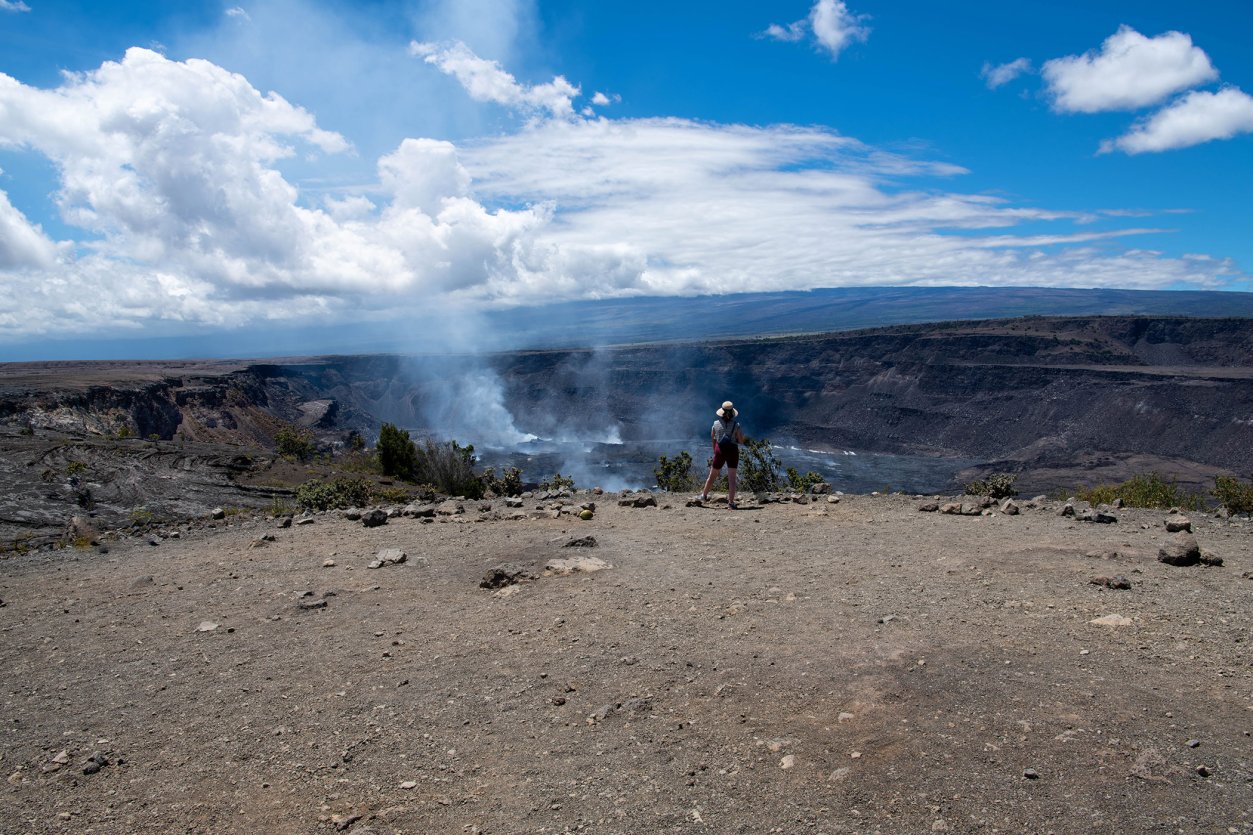
The park’s modern map looks very different from the one most repeat visitors remember. The 2018 collapse of the Halemaʻumaʻu Crater floor dropped it more than 1,600 feet from its pre-2018 depth and forced the permanent closure of the Thomas A. Jaggar Museum and the old Halemaʻumaʻu Overlook on Crater Rim Drive. The replacement — the Uēkahuna lookout, opened in October 2023 — is a quieter, sturdier viewing platform on the caldera’s western rim, and it’s the main perch for watching the current eruption series. If you have not visited since 2018, plan for a meaningfully different park.
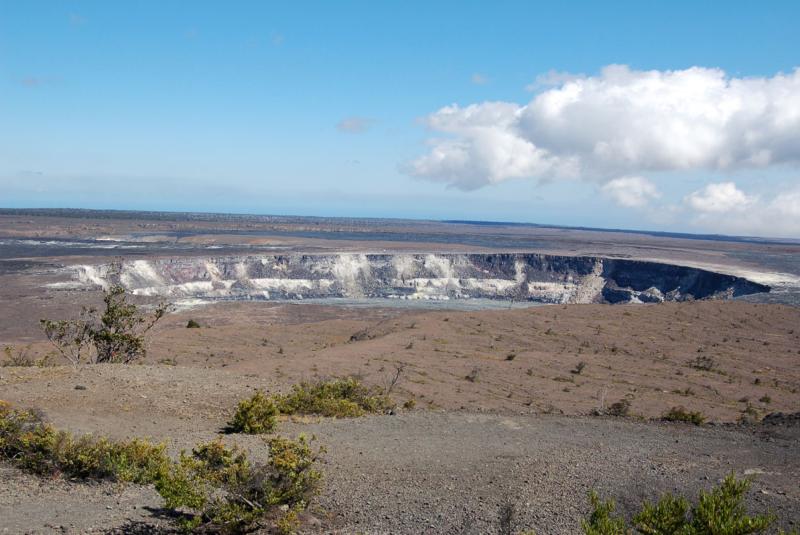
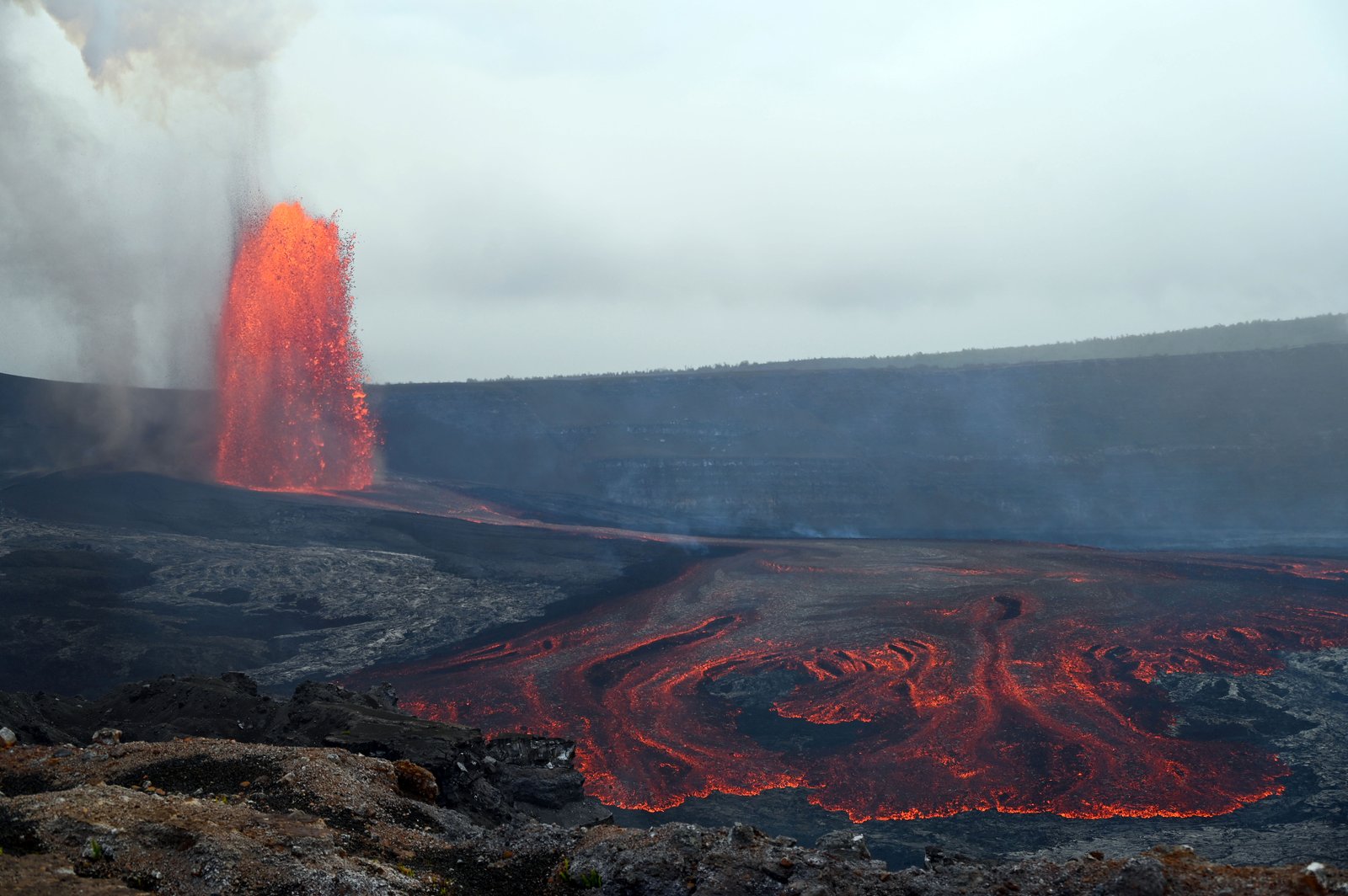
Halemaʻumaʻu is far deeper than it was in 2017, and the current eruption series fountains from new vents on its floor.
What's open in summer 2026
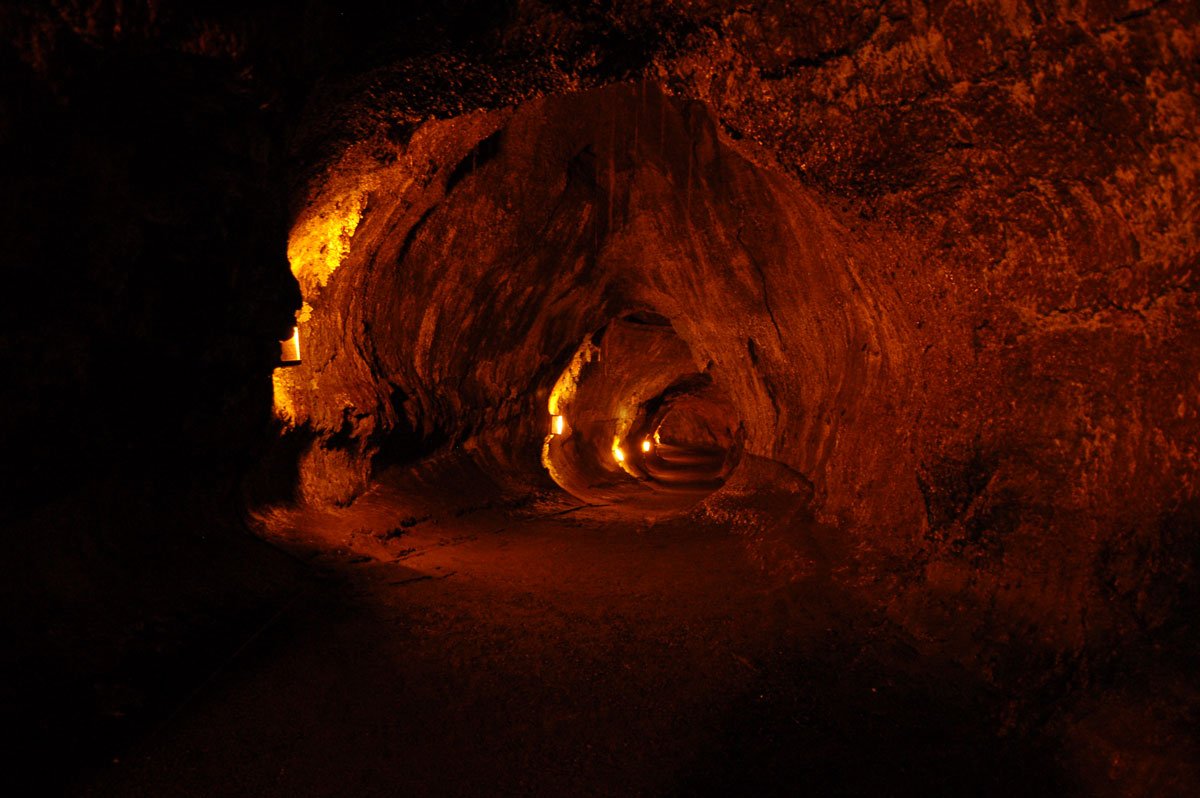
Most of what you came to see is open, and a couple of pieces are still in the slow-rebuild phase. Crater Rim Drive reopened in stages after 2018 and now runs as a partial loop — you can drive from the visitor center past Kīlauea Overlook to Uēkahuna and back. The section that ran around the south side of the caldera (past the old Jaggar Museum) is permanently closed because the 2018 collapse undermined the road. Chain of Craters Road is open all 19 miles down to the coast at Hōlei Sea Arch — a good half-day drive on its own, especially if you want to escape the crowds at the summit. Nāhuku (the lava tube formerly called Thurston) is open daily from 8 a.m. to 8 p.m. on one-way foot traffic — no reservations, but the small parking lot fills up fast, so go early or late.
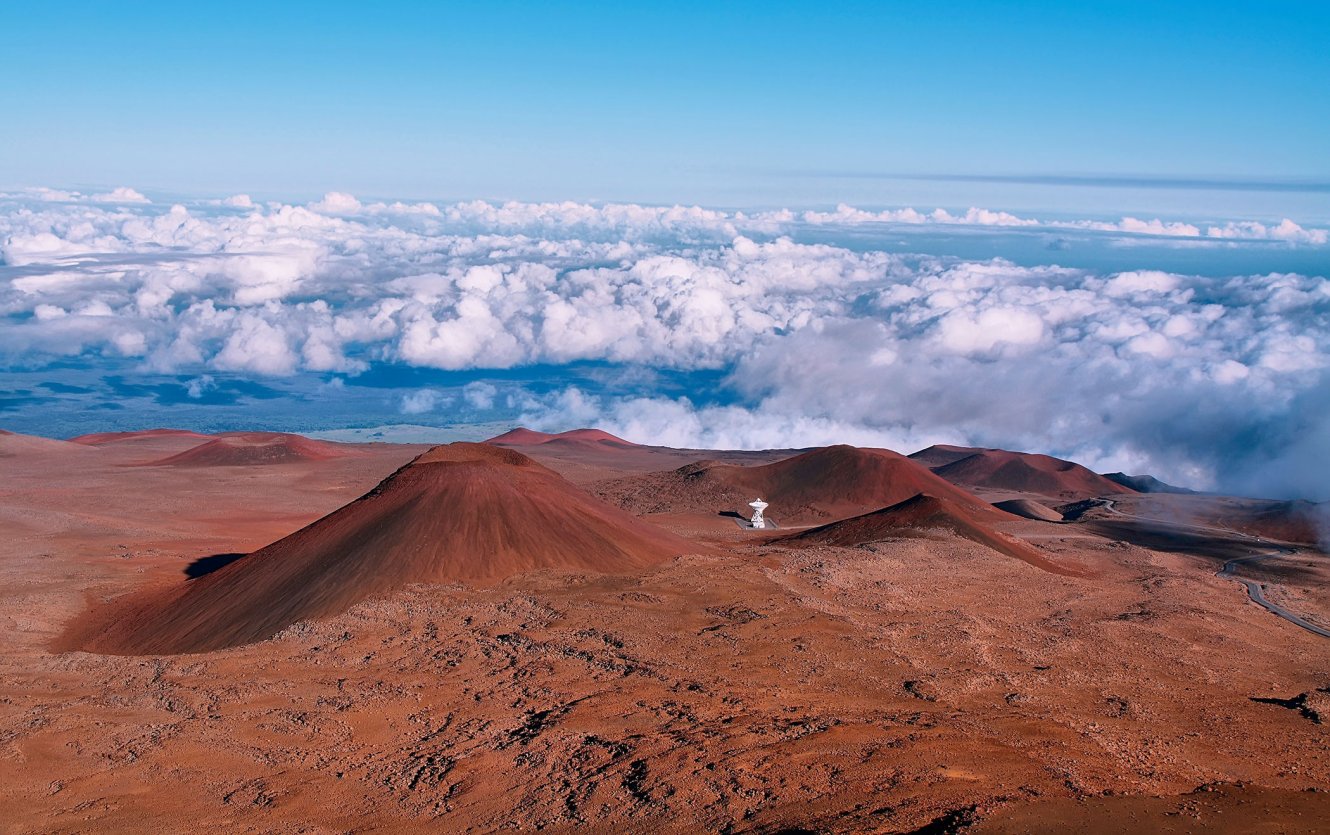
Mauna Loa’s summit area is the main thing that is not quite back. The Mauna Loa summit road remains closed at the gate above the Kīpukapuaulu parking area, leaving the upper mountain reachable only on foot — and the 2022 eruption left some of the cabin and trail infrastructure in poor shape. If your trip plan involved driving partway up Mauna Loa for stargazing or hiking, swap that in for a sunset at Uēkahuna instead. The stargazing inside HVNP is excellent on a clear night, particularly south of the summit caldera away from the visitor center lights.
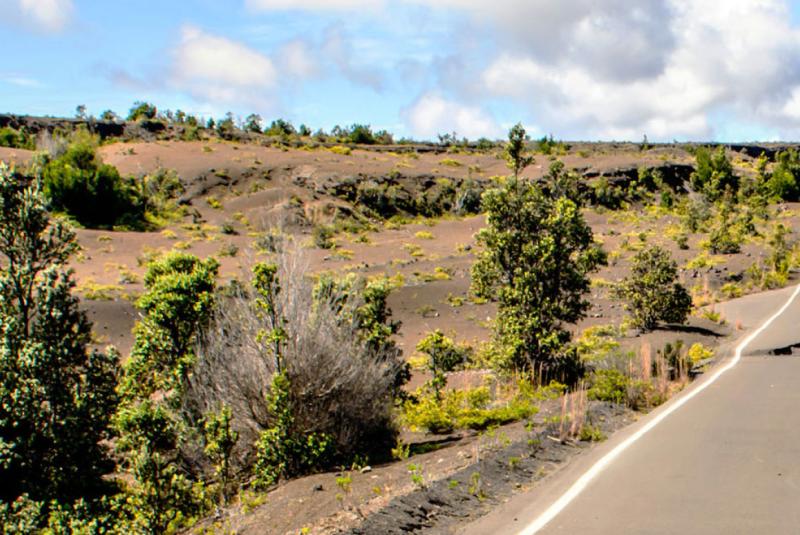
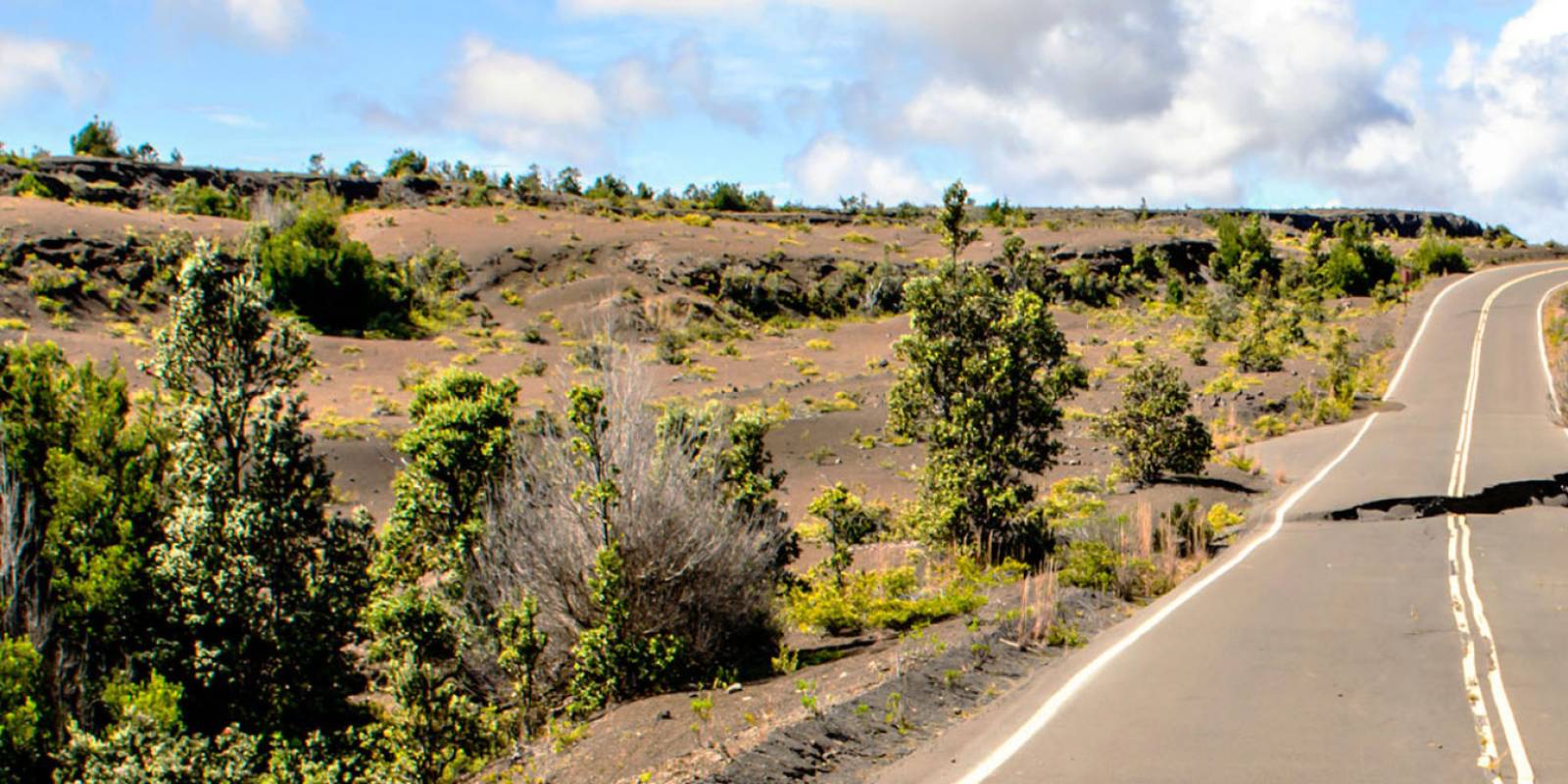
Crater Rim Drive runs as a partial loop today — the south-side section past the old Jaggar Museum is permanently closed.
Fees, hours, and the practical stuff
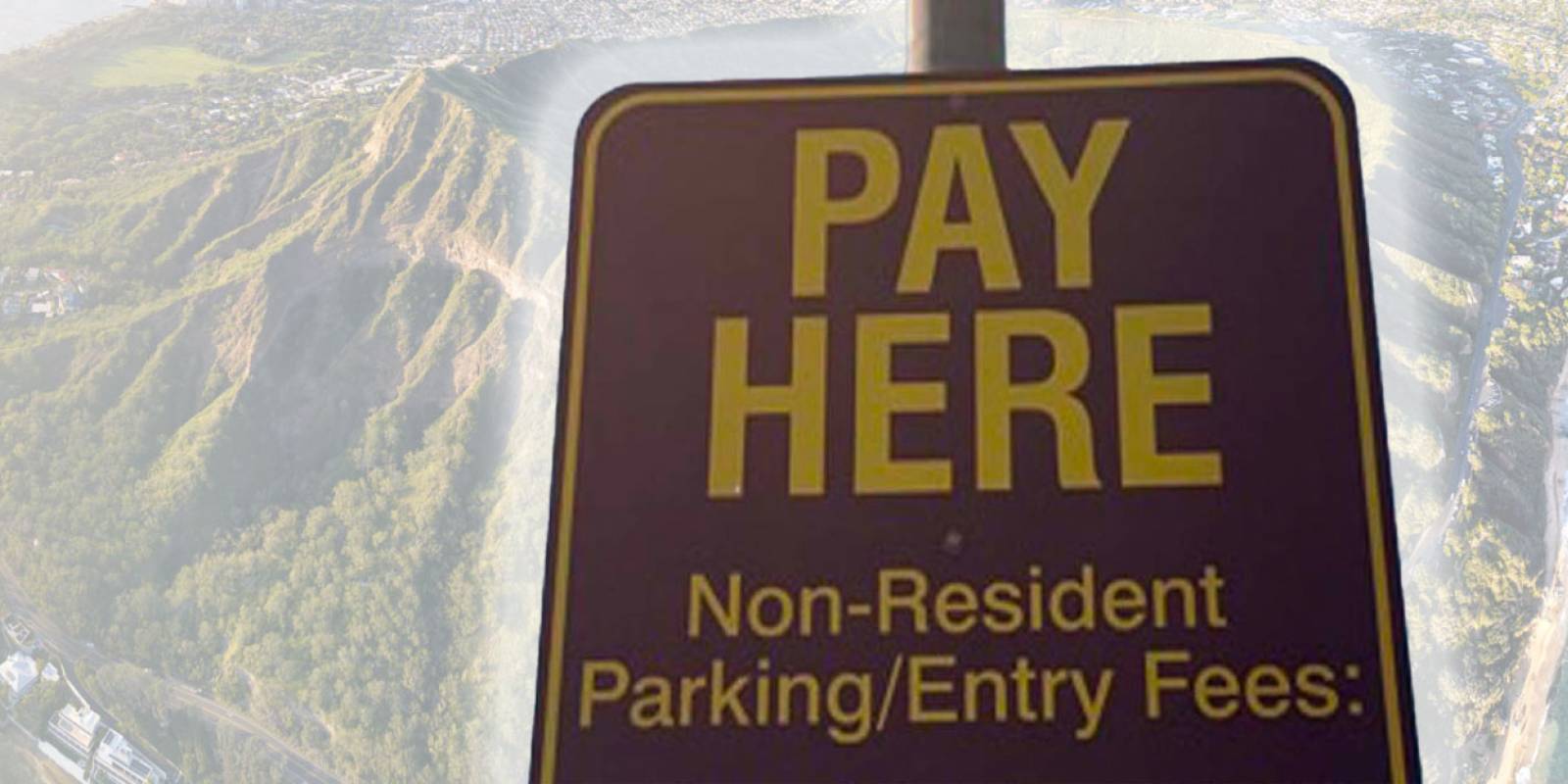
The park is always open, with the Kīlauea Visitor Center staffed from 9 a.m. to 5 p.m. Standard entry is $30 per private vehicle and valid for 7 days; motorcycles are $25 and individuals on foot or bicycle are $15. The Hawaiʻi Tri-Park Annual Pass runs $55 and covers Hawaiʻi Volcanoes, Haleakalā, and Puʻuhonua o Hōnaunau — useful if you’re island-hopping. The interagency America the Beautiful annual pass ($80) covers entry to all federally managed lands that charge fees — the better buy if you’re stopping at any other national park, monument, or fee site on the way home.
The park sits at roughly 4,000 feet of elevation, which matters more than people expect. Even in August, the summit can drop into the mid-50s after sunset, and rain showers move through the upper rainforest section of the park almost every afternoon. Pack a light insulating layer and a rain shell; daytime hikes still call for sun protection. From Hilo, expect a 45-minute drive on Highway 11. From Kailua-Kona, plan on closer to 2.5 hours each way — manageable as a long day trip if you start early, but worth noting before you book a Kona-side hotel for a volcano-focused trip. Most repeat visitors stay one or two nights in Volcano Village, the small community at the park entrance, so they can do a sunset and a sunrise.
How to plan around an active eruption
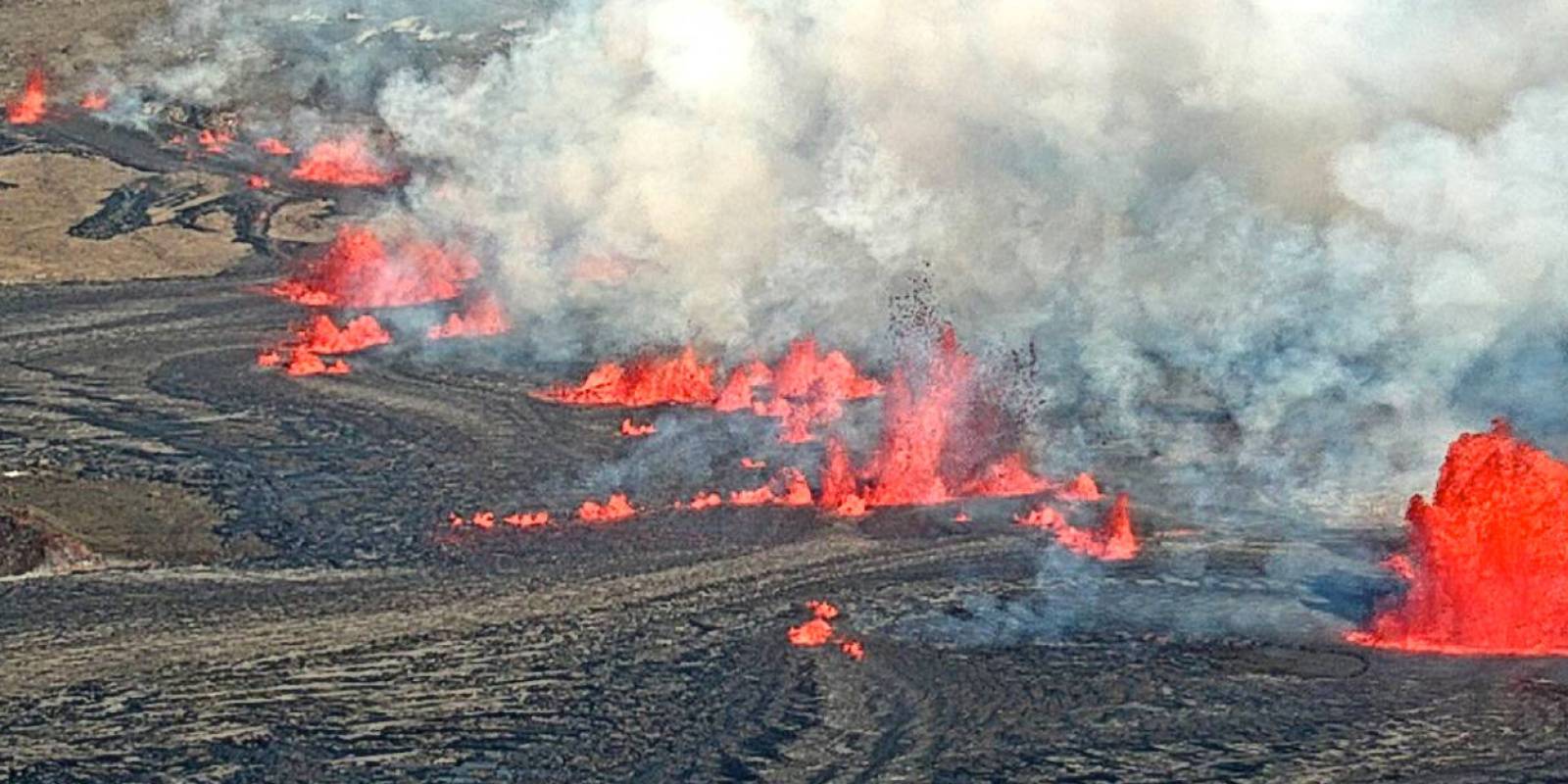
Kīlauea’s behavior during the current summit eruption series has settled into a recognizable rhythm: a few days of pre-eruption inflation and quake clustering, an episode of vigorous lava fountaining lasting roughly a day or two, and then a pause of several days to a couple of weeks before the next one. The park has stayed open through every episode so far, but specific overlooks close briefly during the most intense fountaining, and Crater Rim Drive can hit gridlock when an episode begins after dark. Two practical habits to adopt before you arrive:
First, check the USGS Hawaiian Volcano Observatory status page the morning of your visit and again before dinner — the alert level (advisory, watch, warning) is the cleanest single read on what’s happening underneath your feet. Second, watch the air. Sulfur dioxide from an active vent can drive “vog” downwind, and asthma, heart, and lung conditions are not abstractions at the rim. The AirNow Hawaiʻi monitor updates hourly, and our fall vog outlook walks through the patterns to expect from August through October.
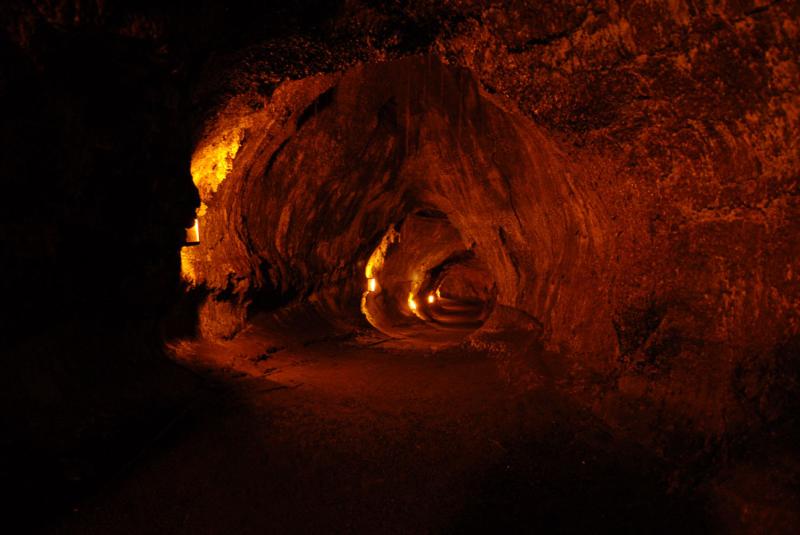
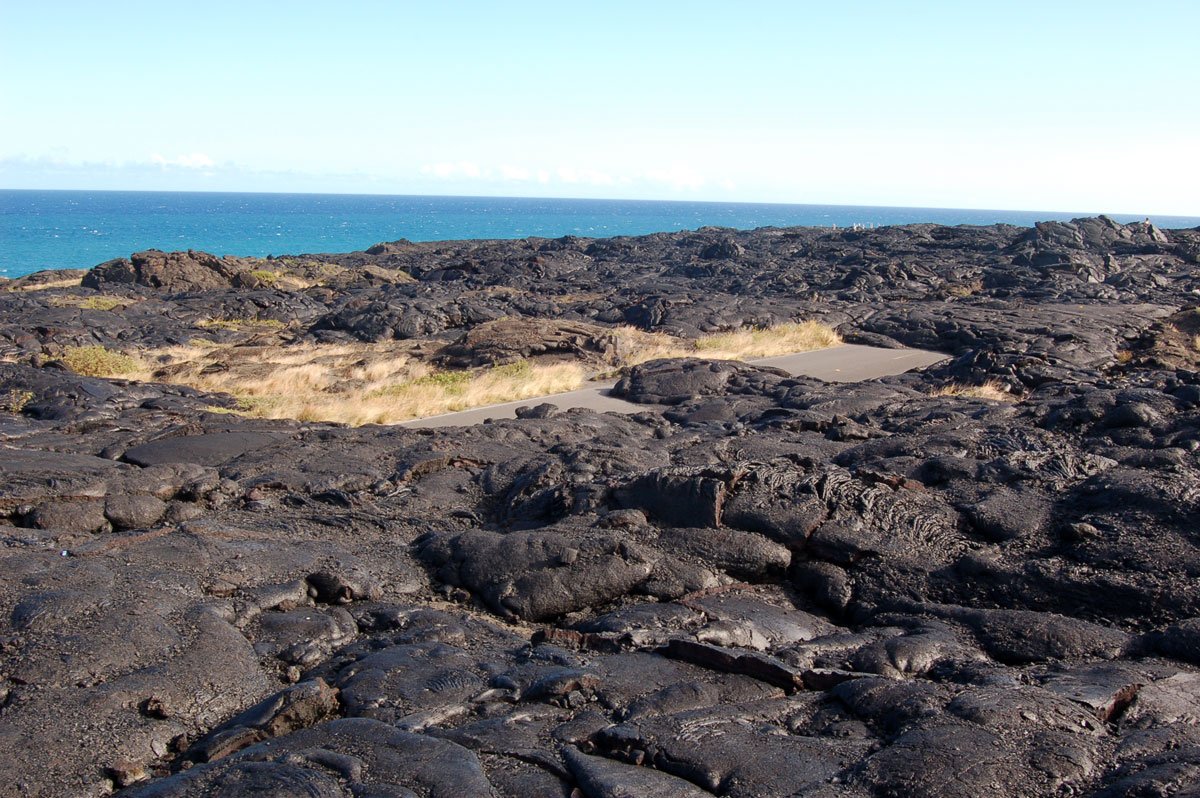
Nāhuku (Thurston Lava Tube) remains the easiest 'walk through a volcano' you can do in the U.S.
Anniversary plans, and where it sits in a Big Island trip
The National Park Service has not, as of late June, posted a public schedule of 110-year programming. If past anniversaries are a guide — the centennial in 2016 brought ranger-led history walks, evening talks at the visitor center, and a small ceremony at Kīlauea Overlook — expect something similar in scale rather than a festival-style event. The cleanest place to watch for an announcement is the park’s events calendar, which typically updates two to four weeks ahead. We’ll add anything announced to our weekly Hawaiʻi events page as it comes in.
For most travelers, a half-day visit covers the summit highlights and a stop at Nāhuku, and a full day adds the Chain of Craters drive to the coast. If the volcano is in active fountaining mode, my move is to stay in Volcano Village the night before, see the summit overlooks at dusk, eat a warm meal at Kīlauea Lodge or The Rim at Volcano House, and come back for sunrise. Getting around the Big Island still works best with a rental — I book mine through Discount Hawaii Car Rental because they compare rates across the major agencies in one search. To see the active vents and lava field from the air, compare Big Island helicopter tours on Viator — most operators add a Kīlauea or East Rift Zone segment automatically when there’s surface activity to show.
Quick planning notes
A few easily-missed details worth flagging before you arrive. Cell service at the summit ranges from inconsistent to nonexistent; download offline maps before driving down Chain of Craters Road. Reservations are not required to enter the park itself, but Nāmakanipaio Campground and the cabins inside the park need to be booked through Recreation.gov well in advance for August. The historic Kīlauea Military Camp dining hall is open to the public — overlooked by most first-time visitors. And the park’s pet policy is restrictive, even by national-park standards, so plan a kennel day if you’re traveling with a dog. Beyond that: dress in layers, fill the tank in Hilo or Volcano Village (gas is scarce inside the park), and give yourself one more hour than your map suggests. A century-old national park rewards the trip you do not rush.
Related reading from Hawaii Guide: