

The Kona Coffee Cultural Festival is one of Hawaiʻi’s longest-running food festivals, and the 2026 edition lands in Kailua-Kona on the Big Island in the first half of November. If you have flexible fall travel dates and you want a Big Island trip with built-in cultural programming, this is the week to aim at. The festival has anchored the same November window for decades because it runs alongside the Kona Coffee Belt’s annual harvest, which means the schedule is calibrated to the actual agricultural calendar rather than a tourism whim. I’m writing this in late June so you can still get reasonable nonstop airfare and a real choice of lodging. Kona’s mid-November room block tightens earlier than most travelers expect because the festival overlaps with cruise traffic, snowbird arrivals, and the wind-down of Pacific hurricane season. Lock dates and a flight now, then refine your daily plan as the festival’s official schedule firms up over the late summer.
What the Kona Coffee Cultural Festival actually is
The festival typically runs about ten days across multiple venues in early-to-mid November, anchored to the Kona Coffee Belt’s harvest weeks. It celebrates the families and farms that built the Belt — the narrow strip of upcountry land between roughly 800 and 2,500 feet of elevation on the western slopes of Hualālai and Mauna Loa where 100 percent Kona coffee is grown. The official organizer is the Kona Coffee Cultural Festival nonprofit, a community organization with deep roots in the region’s coffee-farming families. What started as a small harvest celebration has grown into a cultural touchstone for the region, with farm tours, coffee tastings, art and craft programming, a coffee picking contest, a recipe cook-off, and cultural performances that center the multigenerational families — many of Japanese, Filipino, Portuguese, and Hawaiian ancestry — who have worked Kona’s coffee land since the late 19th century. The schedule does change year to year. Some flagship events repeat reliably (the cupping competition, the lantern parade, the picking contest, the holoholo tour day passes that bundle farm visits). Others rotate based on community capacity and what the host venues can accommodate. Treat the official site as the only authoritative source as November approaches. As of this writing, the 2026 schedule is still being finalized — the festival typically publishes its full program in late summer, with ticketed events going on sale shortly after.
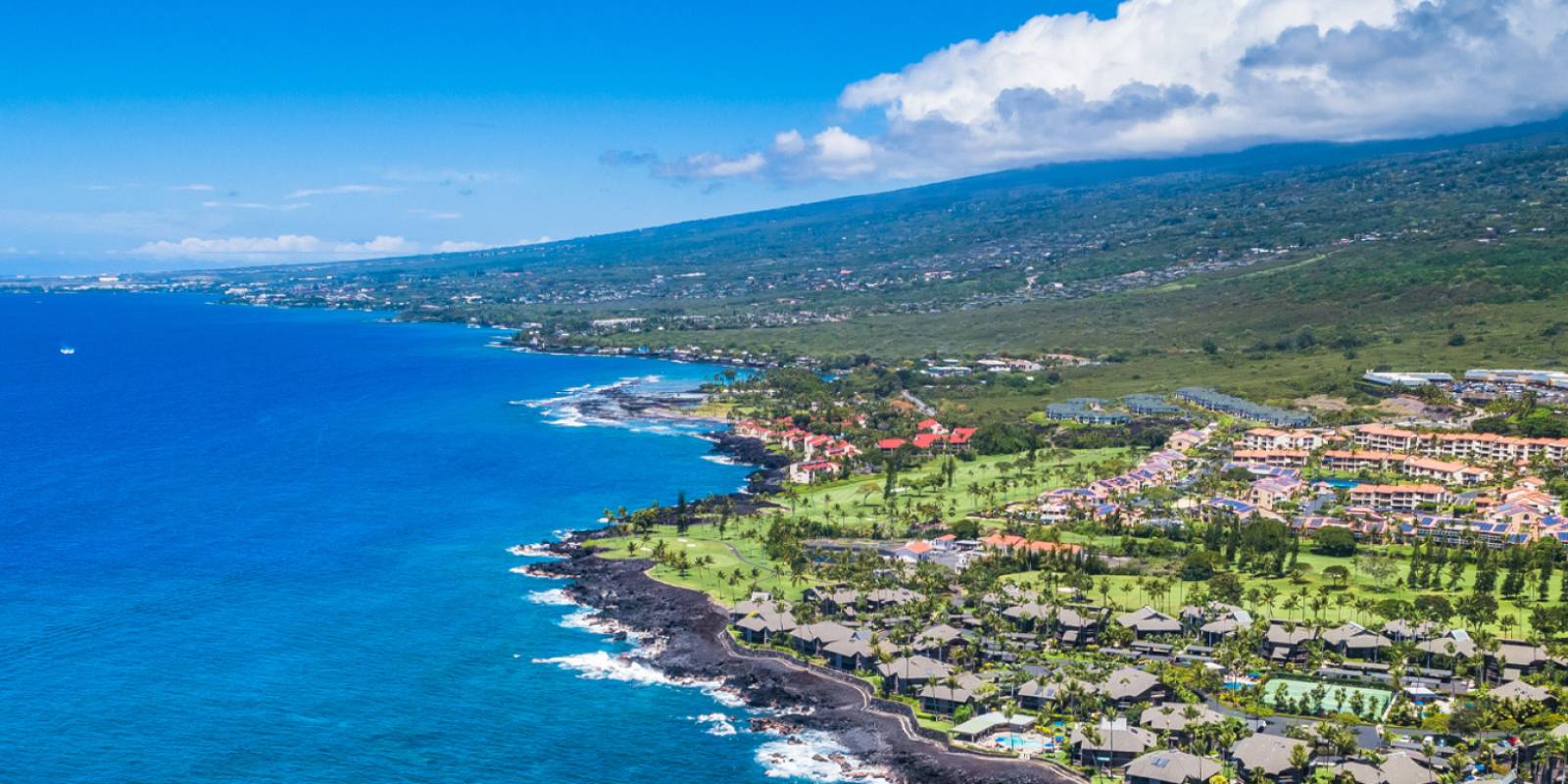
Most festival events sit either down in Kailua-Kona along Aliʻi Drive or up in the Coffee Belt hills around Holualoa, Kealakekua, and Captain Cook. Plan on renting a car — the distance between coast and farms is short on a map but real on the road.
Why early November is the right week to time a Big Island trip
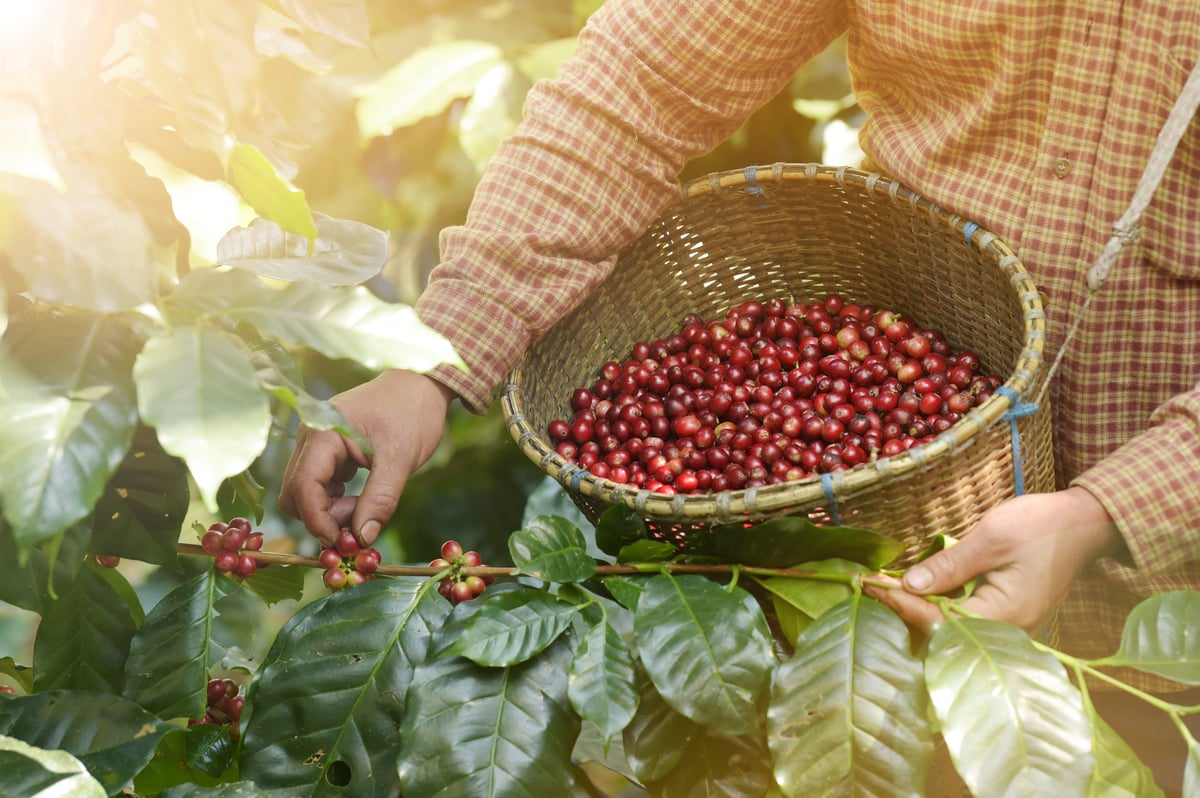
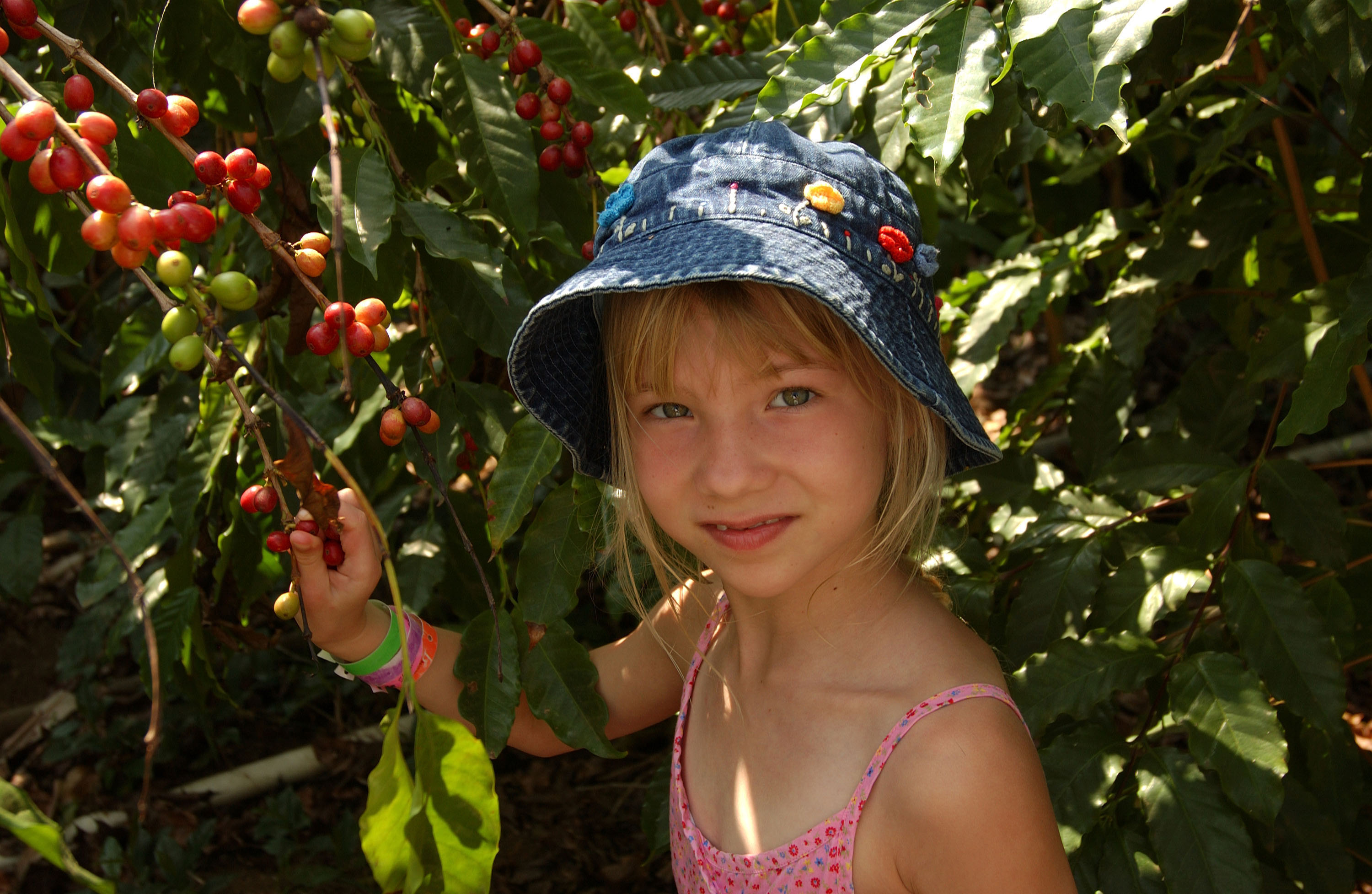
Three things tend to stack in your favor in early-to-mid November on the Big Island, and the festival is the reason to lean into all of them at once. The weather is usually back to normal. The Eastern and Central Pacific hurricane seasons both end on November 30, per National Hurricane Center climatology, and storm activity affecting Hawaiʻi generally tapers through October into early November. Trade winds typically reestablish, vog clears along the leeward Kona coast on many days, and Kailua-Kona’s afternoon temperatures stay in shorts-and-tee territory. Mauna Kea summit access can be limited if early winter storms move in, but the coffee belt itself tends to run cool and comfortable at midday. The harvest is real. Most farm tours in mid-November include actual cherry picking, pulping demonstrations, and drying-deck visits because the trees are loaded. Greenwell Farms, Mountain Thunder Coffee Plantation, and a dozen other farms time their public-tour offerings to the festival window. You can see what “100 percent Kona” actually means in the field instead of just on a bag label. The shoulder hasn’t tipped yet. Thanksgiving week is a different animal — rates jump, families fly in, and easy reservations evaporate. The first two weeks of November are still inside the post-Labor-Day shoulder season for most Big Island hotels, generally cheaper than the late-December holiday peak. The trick is booking the festival week itself before Thanksgiving demand starts pulling forward.
Where to stay during festival week
Two strategies work, and which one fits depends on what you want the trip to feel like. Down in Kailua-Kona. The festival’s coastal events — the lantern parade along Aliʻi Drive, the coffee competition awards, the recipe cook-off, evening cultural performances — happen down in town. Staying in or near Kailua-Kona means walking distance to the action and a five-minute drive to most of the dining you’ll want. The main Kailua-Kona hotel cluster covers everything from the Royal Kona and Outrigger Kona Resort & Spa down to budget condo-style stays on Aliʻi Drive. Up in Holualoa. The Coffee Belt itself starts about 1,500 feet above Kailua-Kona, and Holualoa Village is the cultural heart of it — a former plantation town turned artist village, walking distance to several working farms. Staying up here puts you in the middle of the morning farm visits and gives you cooler nights and quieter mornings. The trade-off is a fifteen-to-twenty-minute drive down for the coastal evening events. The Holualoa Inn has been the village’s anchor boutique B&B for decades. A handful of vacation rentals and smaller inns sit scattered through the surrounding coffee farms. Whichever side you pick, book by early September if you’re targeting festival week. Inventory in both clusters tightens noticeably once the official schedule is published and Big Island cruise stops add to the demand on the same calendar.
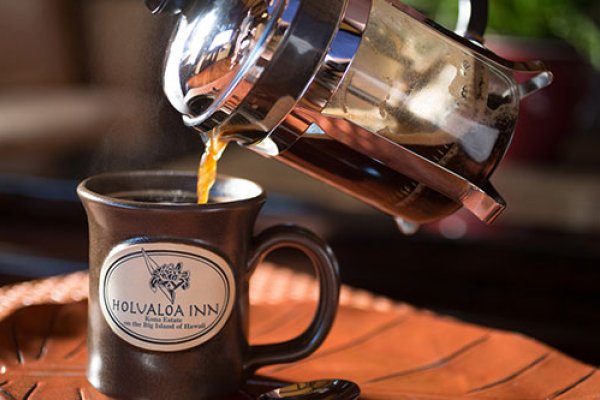
Many Coffee Belt B&Bs serve their own farms' coffee at breakfast. If you're a serious coffee person, the inns up in Holualoa are part of the experience — not just a place to sleep.
How to plan a festival-week itinerary
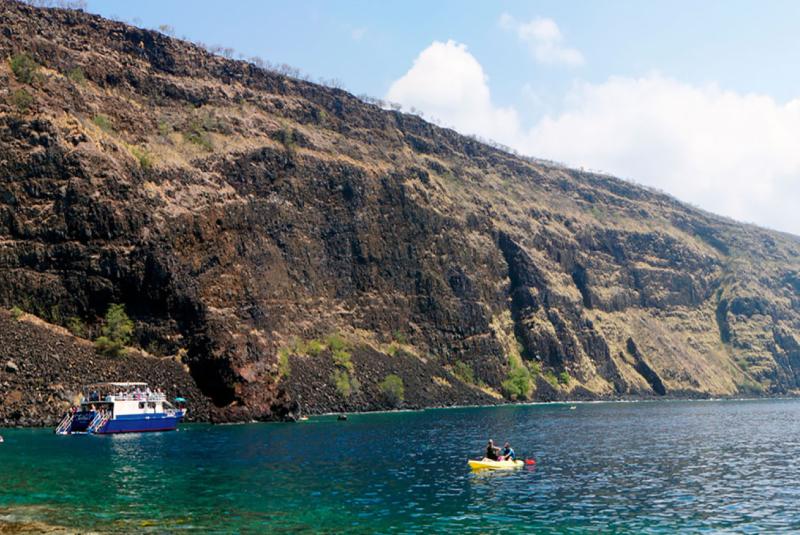
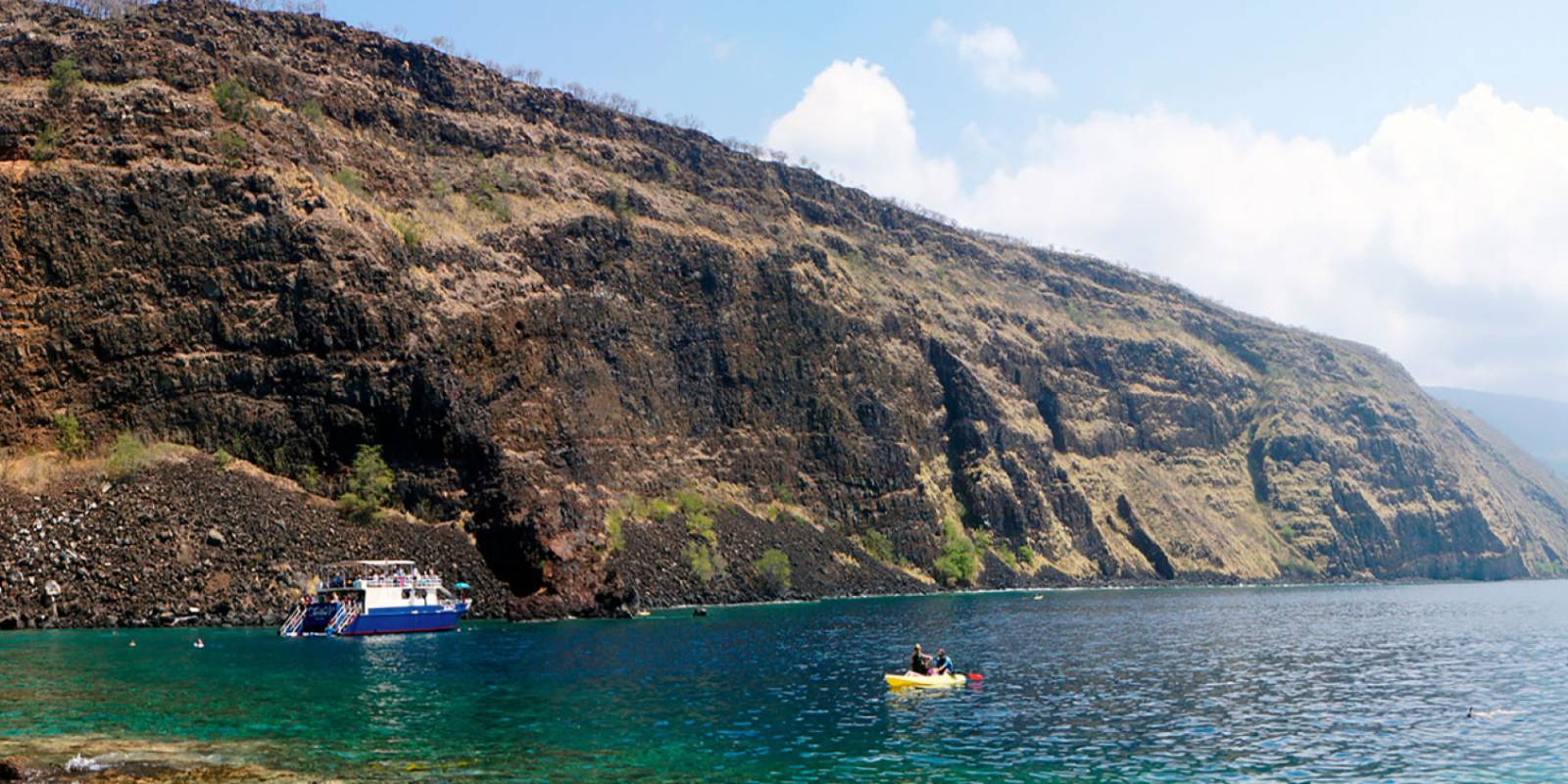
You can’t realistically do every festival event. The schedule packs ten days, multiple venues, and a mix of free walk-ins, ticketed dinners, ticketed cuppings, and capped farm-tour day passes. Build the week around three or four anchor events and leave the rest of the days for the regular Big Island things you came for — beach mornings, Hawaiʻi Volcanoes National Park, the Saturday farmers’ markets. Reserve in advance: the cupping competition, any ticketed dinner that features named local chefs, and the day-pass farm tours. These have hard caps and routinely sell out before festival week begins. Watch the official site for the on-sale date, which has typically been late summer through early fall. Walk up the day of: the cultural performance evenings on Aliʻi Drive, most coffee shop tastings around Kailua-Kona, the art and craft fair, and the lantern parade itself. These run on a community-festival rhythm and don’t require pre-booking. Mix in non-festival Big Island. Even a hardcore coffee tour pulls one day for Hawaiʻi Volcanoes National Park, one day for snorkeling at Kealakekua Bay or another south Kona coast spot, and at least one slow morning at a Kona-side beach. The festival is the spine of the trip, not the whole skeleton.
What to know before you book
A few practical realities worth setting expectations around. Plan on renting a car. The festival’s geography spans roughly twenty miles of coastline plus the Coffee Belt corridor above it, and no public transit option meaningfully connects the venues. Reserve a vehicle through Discount Hawaii Car Rental when you book lodging — Kona airport (KOA) rates fluctuate, and locking in early shoulder-season pricing is easier than chasing it later. Kona vog is still possible. Even in November, if the trade winds drop and Kīlauea is venting, the leeward Kona coast can see hazy air. The festival itself isn’t affected — events go on regardless — but visibility from the resort lanais and the Coffee Belt overlooks can vary day to day. Our weather forecast page pulls live conditions, and the volcano-status feed flags any active venting. Some farm tours pre-book by email. Smaller family farms often run their festival-week tours as semi-private sessions and require a direct inquiry rather than a typical online checkout. If a farm you want to visit doesn’t have an obvious booking page, email them in September. Bring a half-day window for the lantern parade. The lantern parade along Aliʻi Drive is the visual centerpiece of the festival and the easiest community event to walk into. The waterfront stretch of Aliʻi Drive closes to traffic during the parade itself. Plan to park early and walk the corridor.
Festival week is when Kailua-Kona cafés tend to lean into Kona-only tasting flights and roaster-specific pours. A morning comparing two or three roasters side by side tells you more about Kona's micro-terroir than a year of bag labels.
Booking timeline if you're starting today
The festival sits roughly four-and-a-half months out from this article. That’s enough lead time to do this in three pulls. Now through early July: book a refundable flight to Kona (KOA) for the first or second week of November. Use a fare comparison tool like JustFly’s Hawaiʻi flights page or Google Flights to pin down a baseline. Set fare alerts. July through early September: book lodging. Compare a Kailua-Kona hotel night against a Holualoa B&B night. Many travelers split — three nights up in the village, four nights down at the coast — to get both sides of the festival’s geography. Watch for the festival’s official schedule release. September through mid-October: book your ticketed festival events (cupping competition, dinners, capped farm tours) the moment they go on sale, then layer in your non-festival Big Island plan (volcano park, snorkel, beach days). Confirm car rental. The last two weeks before the trip: watch the weather, check trail and road status in case any closures affect your volcano-park day, and reconfirm any direct-email farm visits.
If you can only do one festival event
Pick a day-pass farm tour. The single-event ticket that delivers the most distinctive Big Island experience is a curated farm visit during the actual coffee harvest. You taste cherry-to-cup at a real working farm, you meet the people who run it, and you stand in the orchard while the picking is happening. The cupping competition is the most prestigious event for the coffee community, but it’s a quiet, technical morning that rewards experienced palates. The lantern parade is the most photogenic. The farm-tour day is the one that changes how you taste coffee for the rest of your life — and the one that puts you closest to the multigenerational families the entire festival exists to honor. That’s what makes the Kona Coffee Cultural Festival worth building a Big Island trip around. The coffee is the medium. The people, the land, and the harvest are the point.