


Hawaii spring break planning sneaks up on families every year. The holidays get all the attention. Then January arrives, the condo you wanted is gone, and flights cost more than expected. DBEDT reported 903,891 visitor arrivals in March 2025 in its March visitor report. Booking in the fall gives you room to compare lodging and flights before the calendar tightens. This is the planning timeline we’d use for a spring break 2027 trip: the March dates worth watching, reservations that need a calendar reminder, and what March weather and ocean conditions can look like. Start with your school district’s break dates, then work backward.
How to read March crowd risk
There is no single spring break week. Mainland district and university calendars vary too much to promise a quiet March window. We cannot call another week uncrowded from a school calendar alone. March 15–19 is a practical planning flag for 2027. The statewide Hawaiʻi Department of Education calendar lists spring break that week, according to the 2026–27 Hawaiʻi public-school calendar. That calendar excludes Holomua Elementary and charter schools. Treat the week as a local-demand pressure point, not a statewide visitor forecast. Check late-March and early-April dates against your own school calendar as well. Easter Sunday falls on March 28, 2027. The Merrie Monarch Festival had not published a 2027 schedule at publication, so do not assume its dates when choosing a Big Island itinerary. You can see month-by-month arrival data in the state’s DBEDT visitor statistics, and our best time to visit Hawaii page charts the annual pattern visually. One more date worth knowing: Prince Jonah Kūhiō Kalanianaʻole Day falls on Friday, March 26, 2027. It is a Hawaii state holiday, so state offices close that day. If your dates are fixed, focus on the friction you can control. Reserve the attractions that matter most on your island. Book lodging before comparing marginally cheaper alternatives. A timed-entry reservation is a seatbelt, not a private lane, but it removes one big line from the day.
The Merrie Monarch watch on the Big Island
If your 2027 dates touch late March or early April and you’re eyeing the Big Island, check this before booking. The Merrie Monarch Festival is a week-long cultural event in Hilo with a hula competition. Its official 2027 schedule was not yet published at publication. Do not assume Hilo lodging or flights will be easy if the festival lands during your trip. Compare current availability on both the Hilo and Kona sides before committing. Current festival ticket guidance says most festival-week activities are free to the public, while the three-day hula competition requires tickets. Procedures and programming can change for 2027, so use the official schedule once it is posted. Our Merrie Monarch guide covers how visitors can experience festival week respectfully.
Whale season is still on in March
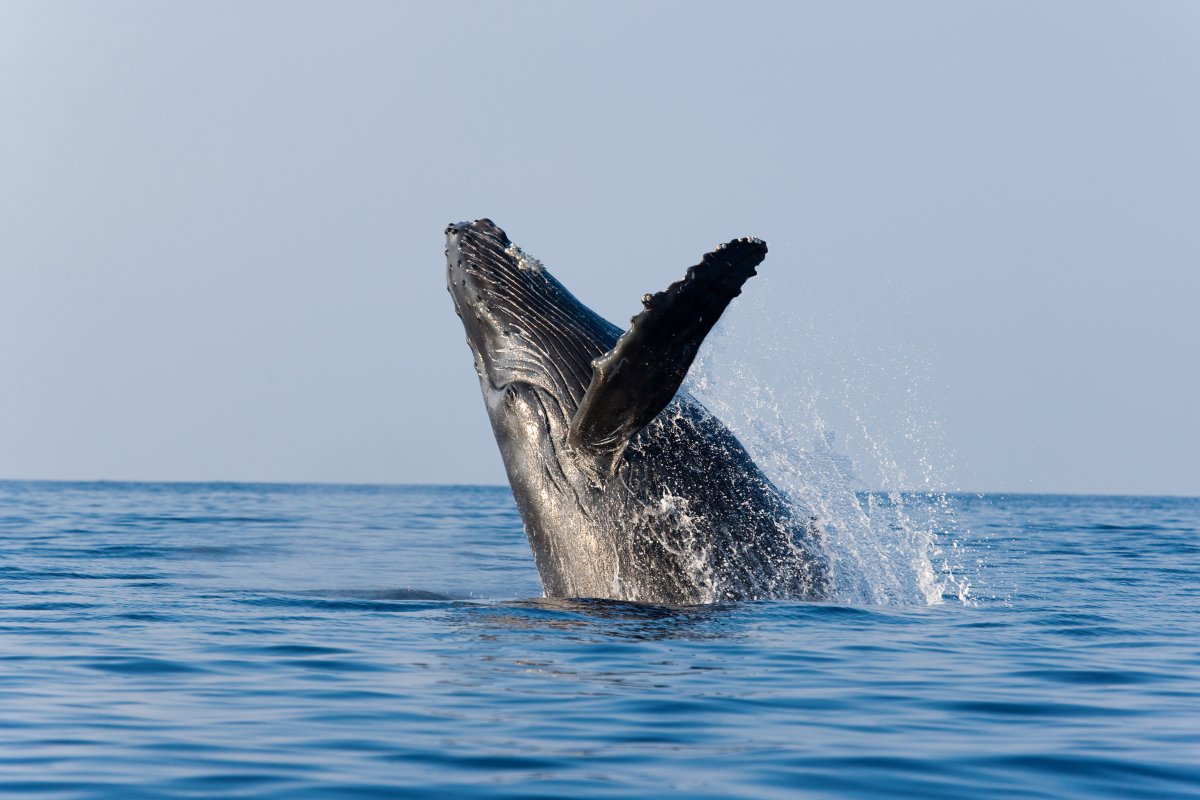
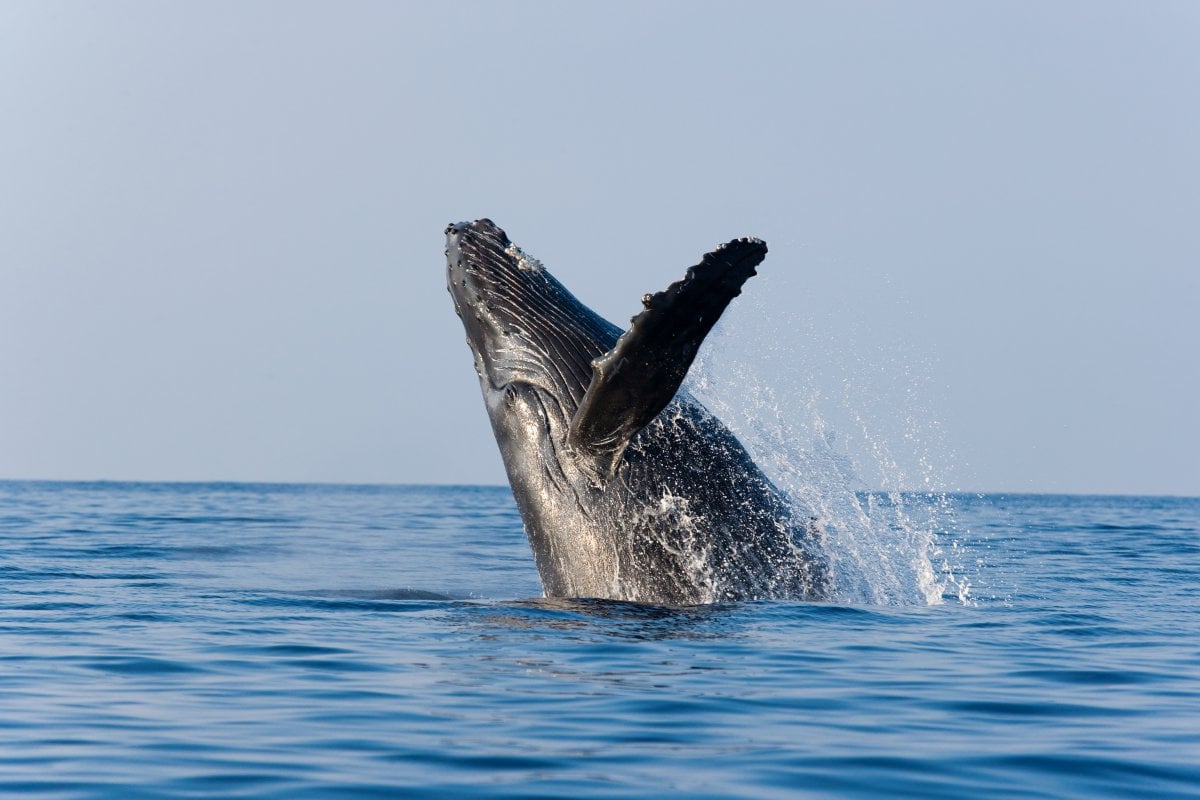
Humpbacks are still active in Hawaiian waters through March, so a spring break trip lands inside whale season.
March has something summer visitors miss: humpback whales. Hawaii’s whale season runs roughly November through May, with peak abundance usually from January through March, according to NOAA’s Hawaiian Islands Humpback Whale National Marine Sanctuary. A mid-March trip falls within that usual peak period. Whales congregate in shallow waters around the main Hawaiian Islands, though sightings are never guaranteed. You don’t need a boat to see them; our shore-based whale watching guide lists lookouts on every island. If a whale watch cruise matters to your family, reserve it once your trip dates are set. Operators adjust departures to conditions, so check the current forecast before heading out. Our whale season preview covers how the season typically builds and fades, and the live whale season tracker shows what’s being reported around the islands.
Reservations to calendar
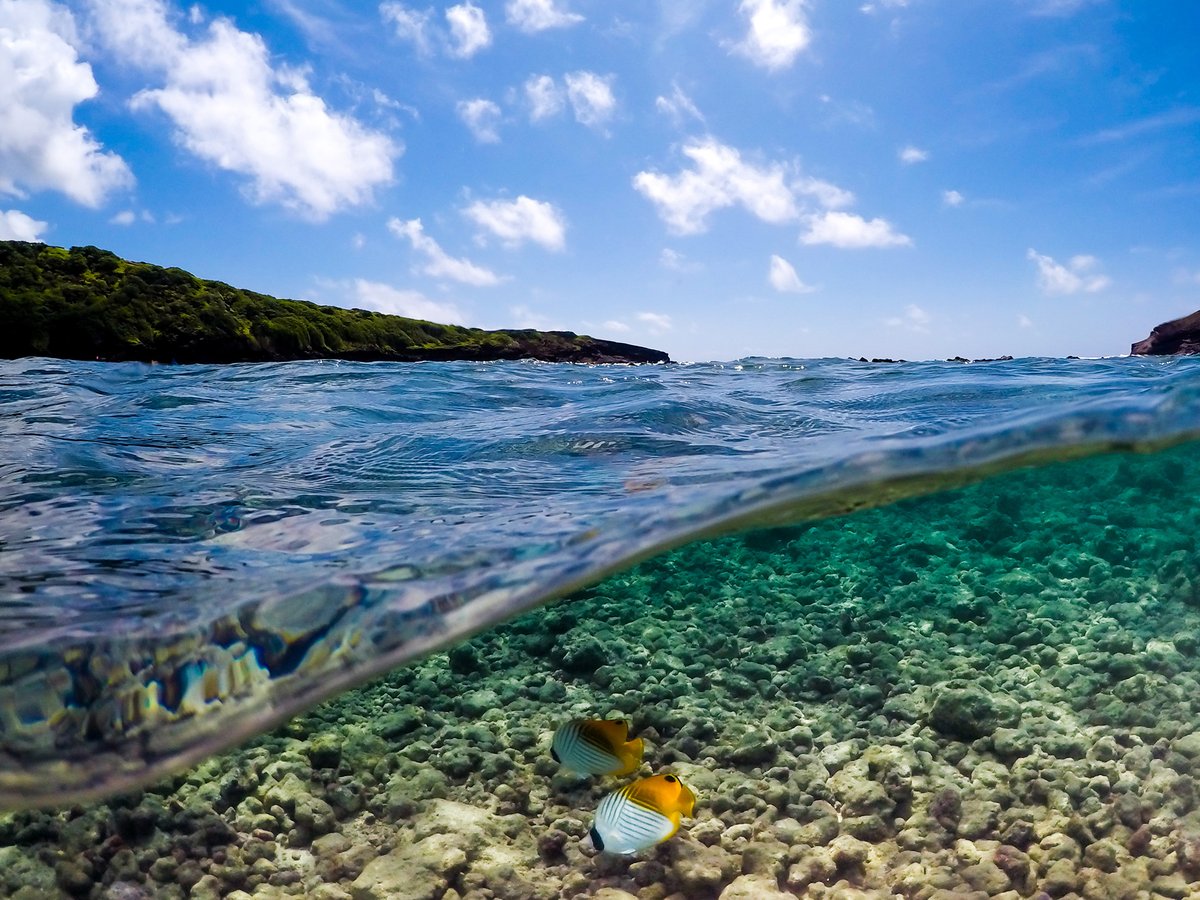
Hanauma Bay admission reservations open at 7:00 AM HST two days before the visit date.
Hawaii’s marquee attractions now use timed reservations, and each system has its own clock. Spring break dates can fill quickly, so treat release dates like flight times. Here is the cheat sheet, ordered by how far ahead you can act: Haleakalā sunrise (Maui): 60 days ahead. Sunrise access to the Summit District between 3 and 7 AM requires a recreation.gov reservation. The reservation costs $1 per vehicle and is separate from the current $30 private-vehicle park entrance fee. The National Park Service releases reservations daily at 7:00 AM HST, up to 60 days ahead, with a portion released 48 hours before the visit date. For a mid-March sunrise, put the mid-January opening date on your calendar. Our Haleakala sunrise booking guide walks through the exact process. Pearl Harbor (Oahu): up to 8 weeks ahead. The USS Arizona Memorial program has no entrance or program charge, but Recreation.gov charges a nonrefundable $1 reservation fee. Reservations can be made up to 56 days ahead through Recreation.gov. The site also lists a secondary booking window at 3:00 PM HST one day before the visit; same-day free tickets are no longer available. Reserve when your window opens if this memorial is a must-do. Our Pearl Harbor ticket guide covers planning options. Diamond Head (Oahu): up to 30 days ahead. Non-Hawaiʻi residents need entry and parking reservations through gostateparks.hawaii.gov. Current fees are $5 per person for entry and $10 per vehicle for parking, according to DLNR. Waiʻānapanapa State Park (Maui): up to 30 days ahead. This black-sand beach stop on the Hāna Highway requires entry and parking reservations for non-Hawaiʻi residents. Current fees are $5 per visitor and $10 per vehicle, and reservations become available 30 days ahead through the official park system. Reservations must be made at least one day before the visit. For March, book when your window opens instead of relying on late inventory. Hanauma Bay (Oahu): two days ahead. Admission reservations for non-Hawaiʻi residents open at 7:00 AM HST two days before each entry day through the City and County of Honolulu. Entry is currently $25 plus an online fee for visitors 13 and older; children 12 and under enter free. Set an alarm for 7:00 AM Hawaii time. Our Hanauma Bay reservation walkthrough covers the details. Luaus, snorkel boats, and helicopter tours operate on their own schedules. If a specific experience matters to your crew, book once your flights are fixed. You can compare tours across the islands on Viator and check current operator availability.
The fall booking timeline
Working backward from a March 2027 trip, this sequence keeps the work from piling into January: September–October 2026: start with lodging. Compare the room types your family actually needs. That might mean a two-bedroom condo or connecting hotel rooms. A hotel suite may work better for shorter stays. If you’re choosing an island, our best island for families comparison and Hawaii with kids guide are the right starting points. October–December 2026: watch and buy flights. Airfare can move in either direction, so set fare alerts and buy when a schedule and price work for your budget. Don’t build the whole trip around a hoped-for February fare drop. Our holiday airfare guide covers the same watch-list approach. Same week you buy flights: check rental cars. Reserve a vehicle if the rate and terms work for you, especially if you need a minivan or SUV. Cancellation and payment rules vary by supplier and booking channel. Read those terms before committing. You can compare options through Discount Hawaii Car Rental, then recheck your rate before the trip if your booking allows changes. January–February 2027: the reservation windows open. Haleakalā sunrise opens 60 days ahead. Pearl Harbor opens up to 56 days ahead. Diamond Head and Waiʻānapanapa open up to 30 days ahead. Put each opening date on your phone calendar when you book flights. Two days out: Hanauma Bay. Standard admission reservations cannot be locked down months ahead, so set the 7:00 AM HST alarm. For a realistic budget picture before any of this, run your dates through our trip cost calculator and compare lodging totals across the dates you are considering.
What March weather and ocean conditions are really like
March sits at the tail end of Hawaii’s wetter winter season, which runs roughly October through April according to the National Weather Service in Honolulu. Expect trade-wind showers to favor windward and mauka areas. An occasional front can bring a wetter stretch. Conditions differ sharply across short distances and from week to week. Leeward lowlands are generally drier than windward and upslope areas. That is why many March visitors consider bases such as Waikiki, West Maui, South Maui, Poʻipū, or the Kona side. The ocean is the bigger variable. North- and west-facing shores can still receive large winter swells in March (Hawaii Ocean Safety). South-facing beaches are generally calmer during winter, but conditions remain local and can change fast. Check posted warnings before entering the water. Choose a beach with lifeguards when possible, then ask the lifeguard about current conditions. Never use other swimmers as your safety test. Our monthly breakdown for March and April cover conditions in more depth.
The family beach playbook
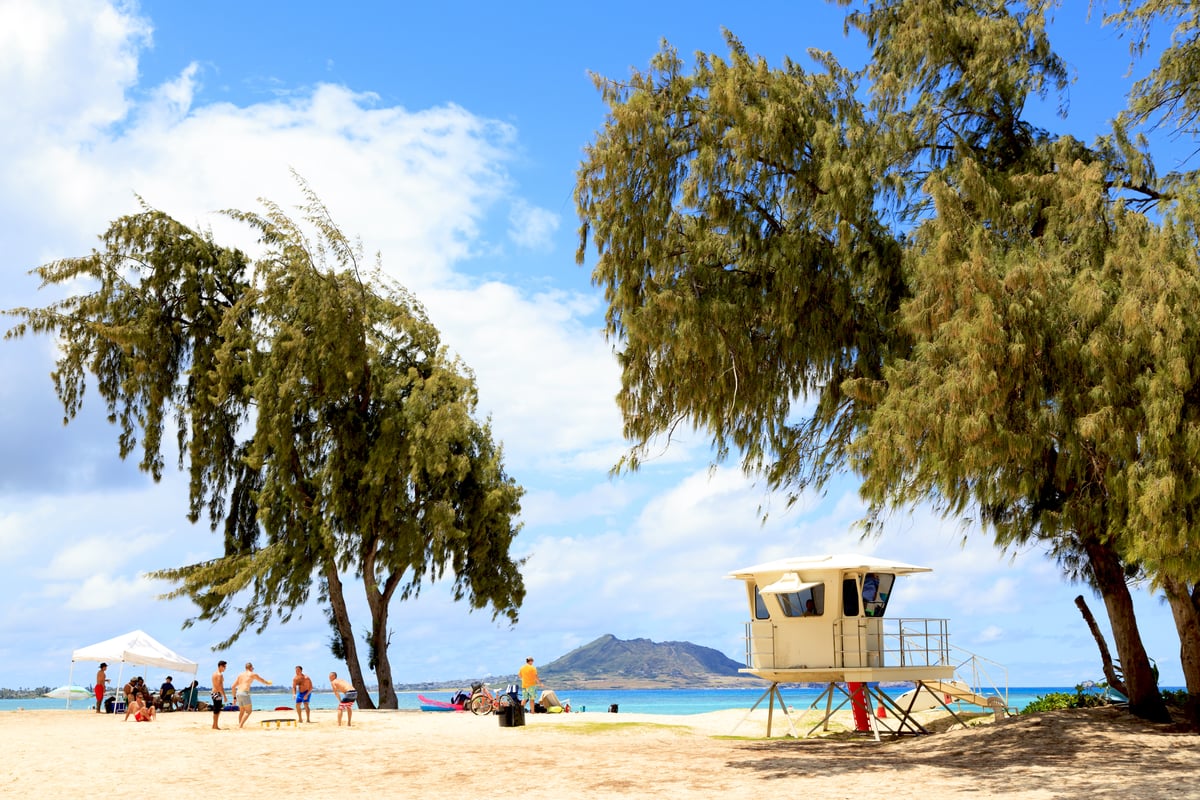
Guarded beaches such as Kailua Beach Park give families a better starting point, but March conditions still decide the swim.
With winter swell still in play, the March family strategy is simple: choose a lifeguarded beach, then let that day’s surf and wind decide. Arrive with enough time to change plans if parking or conditions do not work. At places like Kailua Beach Park, check the ocean before you unpack the car. Every island has family starting points, not guaranteed swimming days. On Oahu, look at lifeguarded Waikīkī beaches such as Kūhiō Beach. On Maui, the Kamaole beaches in Kīhei have lifeguards. On Kauai, Poʻipū Beach Park and Lydgate Beach Park have lifeguard coverage; Lydgate also has ocean pools. On the Big Island, Hāpuna Beach State Park and Spencer Beach Park on the Kohala Coast are lifeguarded options. Check same-day conditions and lifeguard advice at every beach. A familiar beach can change character overnight.
The bottom line
A March Hawaii trip falls within whale season, but it rewards advance planning. March 15–19, 2027 is a planning flag because the statewide public-school calendar is on break; it is not a proven statewide crowd forecast. Check late-March plans closely because Easter falls on March 28. If the Big Island is on your list, verify the Merrie Monarch schedule before treating Hilo availability as routine. Do not chase a promised quiet week. Book lodging and flights in the fall. Calendar the attraction windows that matter to your itinerary. For beach days, start with lifeguard coverage and choose shore exposure based on that day’s surf and wind. That keeps the crowds from taking over the trip.