

Every Hawaiʻi trip has a version of the same story. Day one looks bright and breezy. You’re at the beach by ten, the trade wind is pulling all the heat off your shoulders, the water is gorgeous, and the next thing you know it’s two in the afternoon and your back feels strange. By dinner, the skin between your shoulder blades is the color of a beet. By bedtime, the sheets hurt. Hawaiʻi sunburn recovery is a more useful skill than most visitors realize, and it happens to almost everyone. Not because visitors are careless. Hawaiʻi sun is genuinely stronger than mainland sun, and the cues your body normally uses to gauge exposure (heat, sweat, thirst) get masked by the trade wind and the ocean. By the time you feel cooked, you already are. The good news: most Hawaiʻi sunburns are recoverable if you act fast in the first hour, treat them seriously over the next twenty-four, and avoid the small mistakes that turn a normal burn into a five-day misery. Here is the playbook I give every visitor who texts me from a hotel bathroom on day one.
Why Hawaiʻi sun hits harder
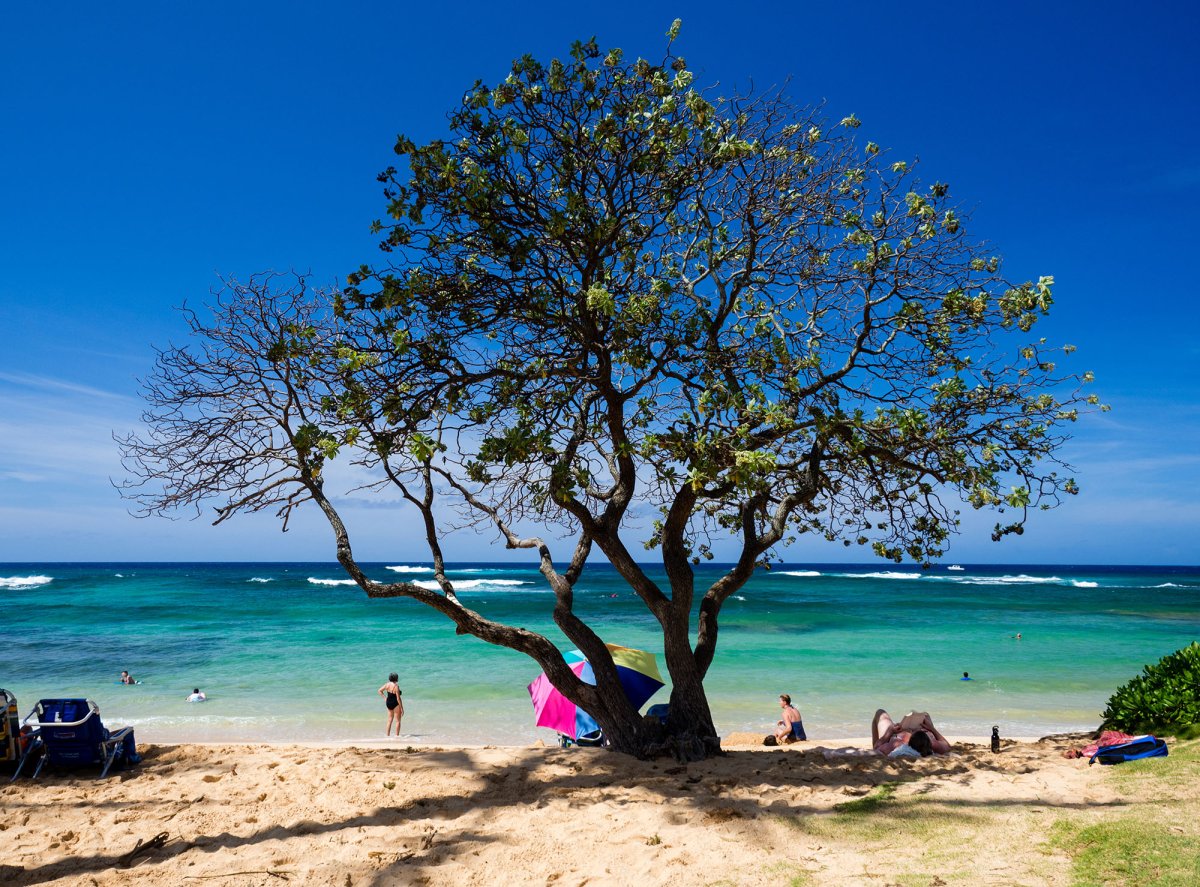
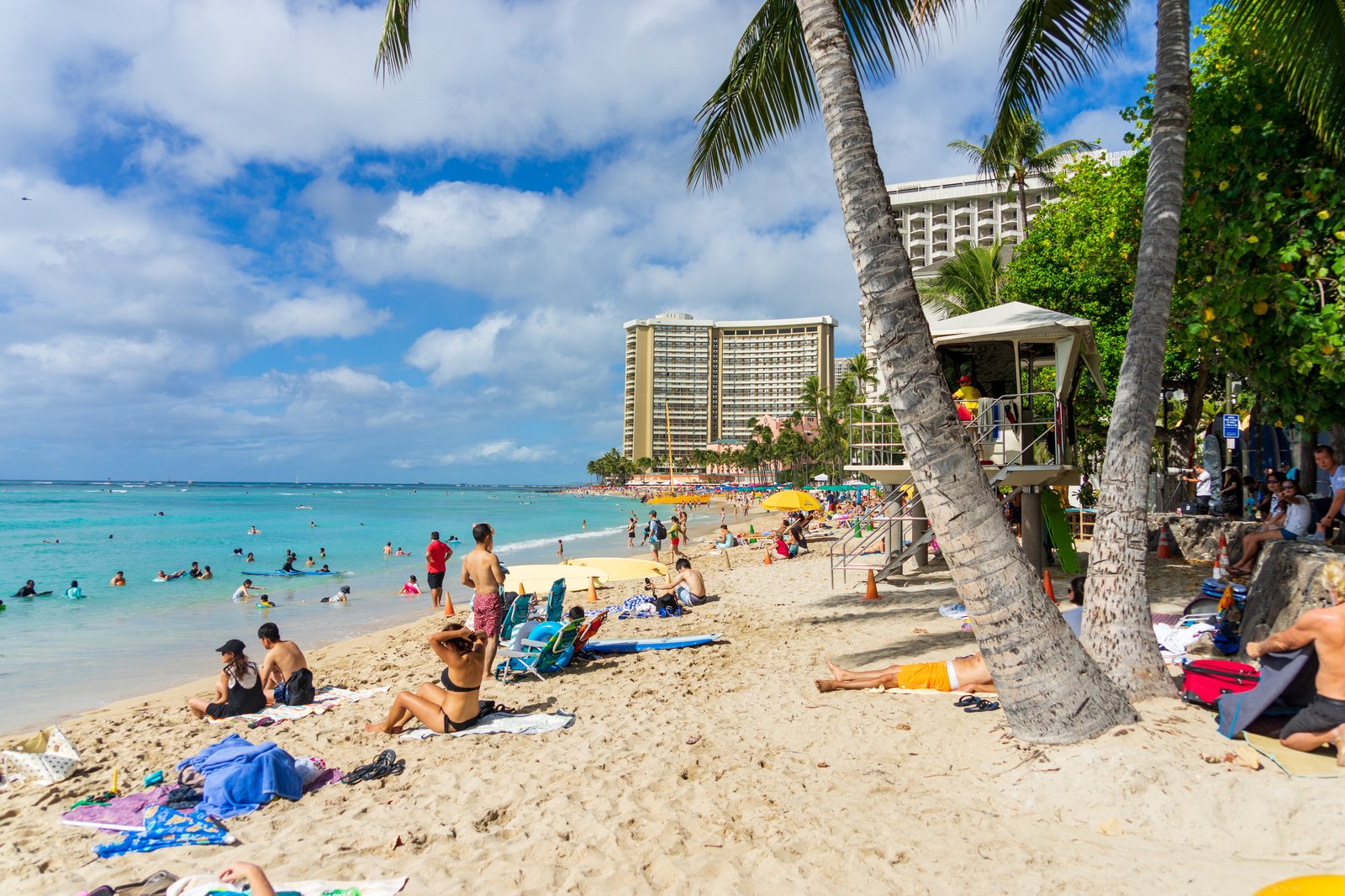
Hawaiʻi sits between roughly 19 and 23 degrees north latitude, much closer to the equator than the continental US. The Environmental Protection Agency’s UV Index forecast regularly puts Honolulu, Kahului, and Līhuʻe at a 10 or 11 (categorized as “very high” to “extreme”) for most of the late morning and early afternoon on a typical clear day in May, June, July, and August. The National Weather Service notes that a UV Index of 11 or higher means unprotected skin can burn in under fifteen minutes. Three other things stack on top of the latitude. Reflection multiplies the dose. The Skin Cancer Foundation notes that sand reflects about 15 percent of UV radiation and water reflects up to 10 percent at midday, which means a shaded beach umbrella does not protect you from the UV bouncing up off the sand around you. Trade winds mask heat. A steady breeze pulls sweat off your skin and keeps you from feeling hot, so your brain never gets the “go inside” signal it would on a still mainland summer day. The water is cool. According to NOAA sea surface temperature data, Hawaiian beach water averages in the high 70s to low 80s Fahrenheit year-round, so a long swim or snorkel feels refreshing rather than overheating. The surface of the water also reflects more UV up under the brim of your hat than a beach chair would. The result: visitors who would never burn at a Florida beach get cooked at Hapuna or Poʻipū. Plan accordingly.
The trade wind hides the heat. By the time you feel uncomfortable, you've usually been overexposed for hours.
The first 30 minutes after you realize you're burned
Whether you spot the burn at the beach, in the shower, or three hours later when your shirt rubs the wrong way, the steps in the first half hour matter more than anything you do later. Get out of the sun and stay out for the rest of the day. This sounds obvious. It is obvious. People do it wrong constantly because they’re already paid up at a beach club, or the snorkel tour is in twenty minutes, or they figure a long-sleeved cover-up is enough. The American Academy of Dermatology’s sunburn guidance is unambiguous: avoid further sun exposure until the burn has healed. You cannot “manage” a sunburn while continuing to add UV. The next exposure compounds the damage on already-injured skin. Cool the skin, gently. The Mayo Clinic recommends frequent cool (not cold) compresses or a cool bath or shower, and explicitly cautions against using ice directly on burned skin. Cool water from the shower, a damp washcloth pulled out of the fridge for five-minute applications, or a brief dip in a cool pool will all bring the surface temperature down without damaging the skin further. Resist the urge to scrub it with a towel afterward. Pat it dry. Start hydrating. Sunburn pulls fluid toward the skin’s surface and away from the rest of the body, and the American Academy of Dermatology specifically recommends drinking extra water for the first 24 to 48 hours after a serious sunburn. A pint of water before dinner and another at bedtime is a reasonable starting point on top of whatever you’d normally drink. Skip the second mai tai. Alcohol is dehydrating and will make the burn feel worse overnight. Take ibuprofen or aspirin if you can. Both reduce the inflammation that drives the heat and tenderness. Mayo Clinic flags this as a standard first-line measure for sunburn pain and swelling. Use whichever you’d normally take for a headache. If you can’t take NSAIDs, acetaminophen will dull the pain even though it doesn’t reduce inflammation.
Over the next 24 hours
The first night is usually the worst. Skin keeps cooking under the surface for several hours after the exposure ends, so what looked like a mild pink at 4 PM can be a tender red by 10 PM and a deeper red with tight, hot skin by midnight. That is normal and not in itself a reason to panic. Aloe vera is the right first product. The American Academy of Dermatology specifically recommends aloe vera or soy-containing moisturizer to help soothe sunburned skin. Hawaiʻi drugstores like Longs Drugs (CVS-owned in the islands) and the ABC Stores carry pure aloe vera gel in the sunscreen aisle at modest drugstore prices. The greener and simpler the ingredient list, the better. If you want to plan ahead, a generic pure aloe vera gel on Amazon is a reasonable add to a Hawaiʻi packing list for any traveler who burns easily. Keep it in the hotel fridge between applications. The cold makes it feel dramatically better. Reapply every couple of hours while you’re awake. A sunburn dries out the skin’s surface, and the cycle of moisturize, reabsorb, moisturize again over the first day or two is what keeps the skin from cracking. The AAD specifically says to “keep applying moisturizer for several days after the sunburn.” Sleep loose, sleep cool, sleep on your back. Tight sheets, synthetic pajamas, and a side-sleeping position that puts pressure on a burned shoulder will all wake you up. Crank the air conditioning a few degrees colder than normal, throw a cotton T-shirt on if anything will rub, and prop a pillow under a knee or two so you can stay on your back without your lower spine complaining. Watch for blisters. Small, scattered blisters on a Hawaiʻi sunburn are not unusual after a severe exposure, but the Skin Cancer Foundation classifies a blistering sunburn as a second-degree burn, and the National Library of Medicine’s MedlinePlus encyclopedia explicitly warns against breaking sunburn blisters because it removes the skin’s protective covering and invites infection. Cover them with a clean, loose gauze pad and leave them alone.
Day two and three are for shaded pool decks, not beach time. Stake out an umbrella or cabana seat early if your resort has one.
What to skip: old advice that makes it worse
Every grandmother in America has a sunburn remedy, and a surprising number of them are actively bad ideas. Three worth flagging. Skip vinegar, butter, toothpaste, and egg whites. None of these are recommended by any current medical guidance, and MedlinePlus’s sunburn entry specifically warns against home treatments like butter or petroleum jelly because they trap heat and can slow healing. The American Academy of Dermatology also warns against skin care products that contain petroleum, benzocaine, or lidocaine, common in drugstore “burn relief” sprays. Petroleum traps heat, and the caine anesthetics can cause allergic reactions on injured skin. Don’t peel. Once the burn starts to flake (usually day three or four), let it shed on its own. Picking accelerates the shedding by a day at most and noticeably raises the risk of patchy pigmentation that can take months to even out. Don’t try to “tan over it.” This is the most common vacation mistake on a Hawaiʻi sunburn. The logic goes that a base layer will hide the redness and prevent the next burn. It will not. The skin under a sunburn is actively injured, and the CDC notes that any tan is itself a sign of sun damage. Cover up for the rest of the trip instead.
When to skip the urgent care debate and just go
Most sunburns clear up on their own. A few don’t, and a sunburn that progresses to heat exhaustion or shows signs of systemic illness needs professional eyes on it. The Mayo Clinic’s sunburn entry lists specific symptoms that warrant urgent medical attention: a fever above 103°F (39.4°C), severe blistering covering more than 20 percent of the body, signs of infection (worsening pain, swelling, pus, red streaks), confusion, fainting, rapid pulse, headache, extreme thirst, or vomiting. Any one of those alongside a serious burn is a same-day urgent care or emergency room visit. In Hawaiʻi, that usually means either an urgent care clinic (walk-in, paid up front with most US insurance reimbursable after the fact, generally faster and cheaper than the ER for non-life-threatening cases) or the hospital ER if you’re far from town or symptoms are severe. Honolulu, Kahului, Kona, and Līhuʻe all have multiple urgent care options open seven days a week. Your hotel front desk will know the closest one. Two specific groups should err on the early side: anyone over sixty (heat stress compounds faster) and anyone on photosensitizing medications. The FDA maintains a list of drugs that increase sun sensitivity, including common ones like doxycycline (often prescribed preventively for travelers), certain blood pressure medications, and some antidepressants. If you’re on a daily prescription and got a worse burn than the rest of your group on the same beach day, that may be why, and your burn may behave differently than the standard timeline suggests.
Salvaging the rest of the trip
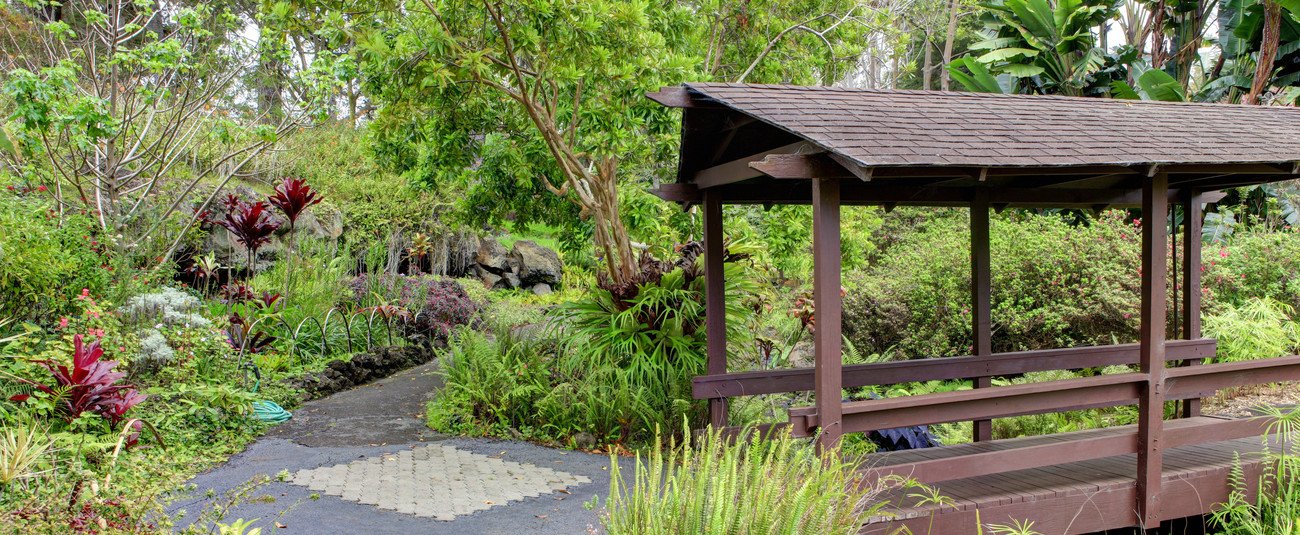
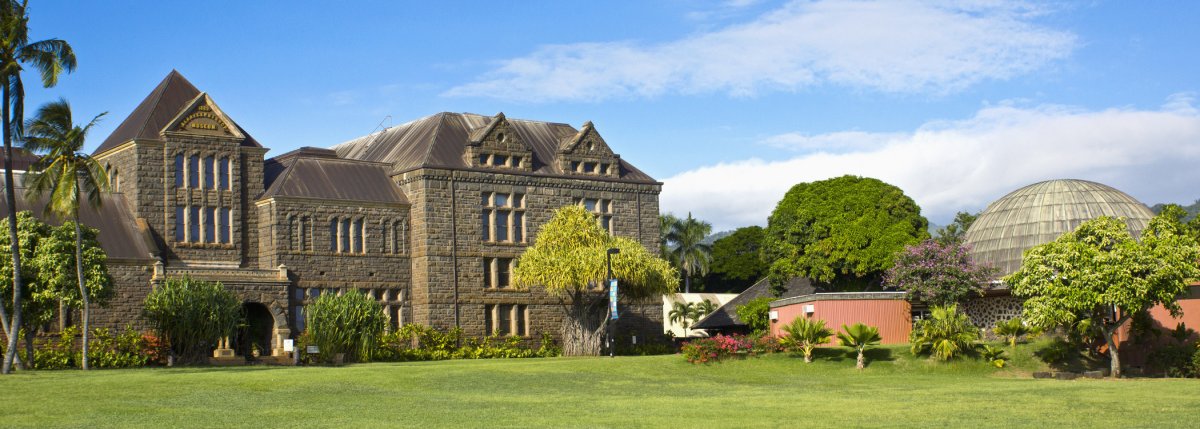
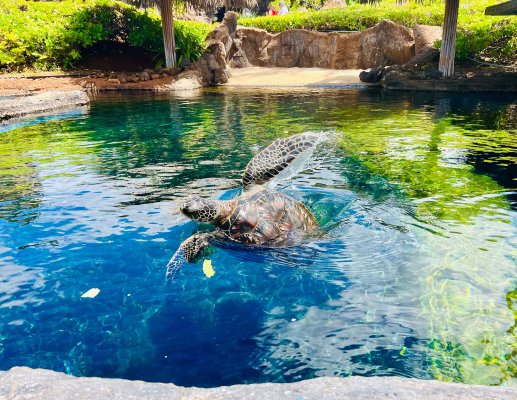
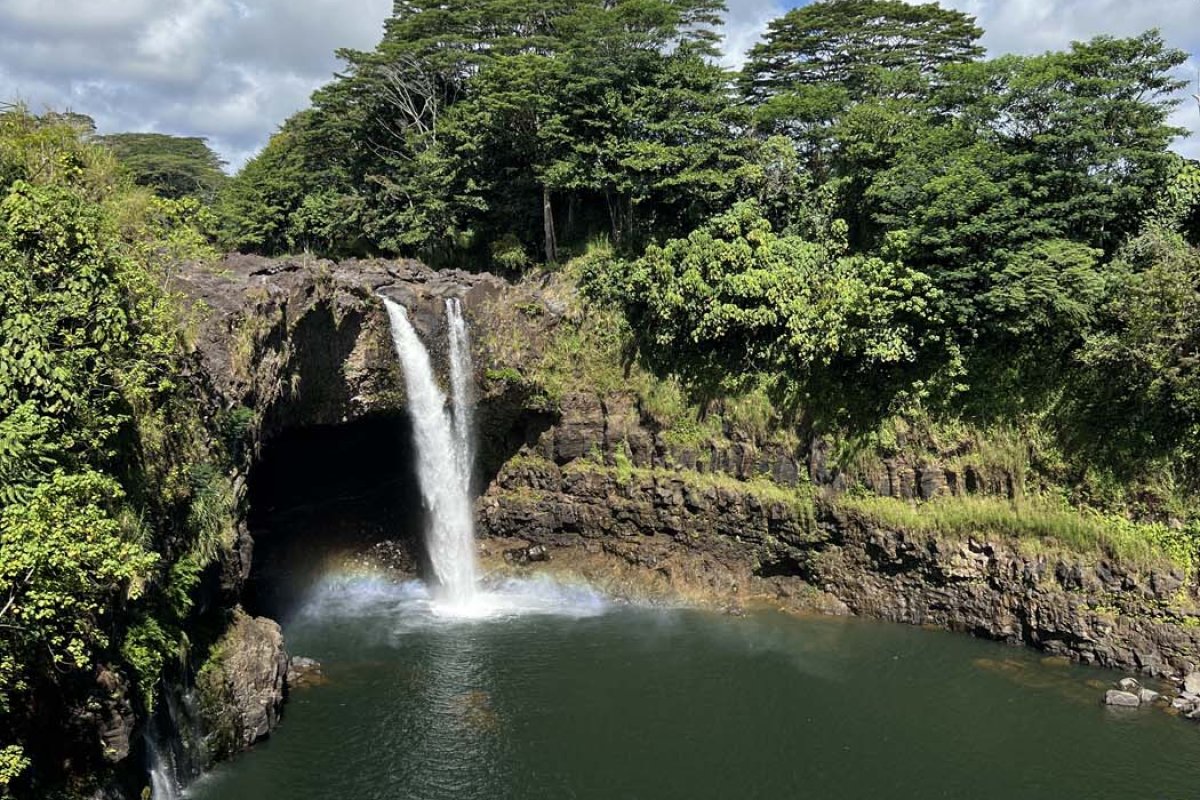
The mistake that turns a one-day setback into a five-day vacation killer is going back to the beach on day two because “I’ll just sit in the shade.” Beach shade helps, but it doesn’t eliminate the reflected UV bouncing up off the sand and water, and the part of you that just got burned is still going to take more damage. Days two through four should be spent doing the things Hawaiʻi does well that don’t involve direct sun. Botanical gardens and rainforests give you canopy. Maui’s ʻĪao Valley, Oʻahu’s Hoʻomaluhia Botanical Garden and Waimea Valley, the Hawaiʻi Tropical Botanical Garden on the Big Island, and the National Tropical Botanical Garden on Kauaʻi are all genuinely shaded experiences. Plan a morning visit, wear loose long sleeves, and bring water. Museums and cultural sites pull you indoors. The Bishop Museum on Oʻahu, the Bailey House Museum on Maui, the Lyman Museum in Hilo, and the Kauaʻi Museum in Līhuʻe are all strong half-day options that double as the cultural foundation a Hawaiʻi trip is supposed to include and most visitors skip. Aquariums and other deep-shade options. The Maui Ocean Center and Waikīkī Aquarium are entirely indoor on Maui and largely indoor on Oʻahu. The food angle. Day two of a burn is the day to lean into shave ice, poke bowls, plate lunches, and a long lunch at a shaded restaurant. The Hawaiʻi farmers’ market schedule is genuinely useful here. Many island markets run in the mornings, often with tents and partial cover. Hit one for a small breakfast and browse without staying in direct sun.
Day two recovery food: cold, hydrating, and an excuse to be somewhere indoors with a fan.
Three cheap drugstore stops that change the trip
If you can get to a Longs Drugs, ABC Store, Target, or Walmart on the way back from the burn day, three specific stops are worth making before you do anything else. A pure aloe vera gel. Mineral sunscreen, after-sun lotions with added ingredients, and “burn relief” sprays are mostly more expensive ways to deliver the aloe vera that does the actual work. Get the plain bottle. The greener and simpler the ingredient list, the better. A rash guard, a loose long-sleeved sun shirt, or a cotton buttondown. Anything with sleeves that covers the shoulders and upper back, in a light fabric. The American Academy of Dermatology’s sun protection guidance explicitly recommends clothing as the first layer of protection. A sun shirt off an ABC Store rack does the same job a fancier UPF top does, and it doubles as a way to keep the burn from rubbing under your day-pack strap. A generic rash guard or UPF 50 sun shirt on Amazon ordered before the trip is even better. It fits properly, ships to your hotel if you forget, and usually runs less than the same item bought on-island. Same goes for kids’ rash guards if you have children along. A wide-brim hat. Brimmed beats brimmed-baseball-cap by a wide margin for protecting ears, neck, and the part of your head where bald spots and thin hair are easy targets. Spend the extra five dollars on something with a real circumference and a chin strap if you’ll be near water.
Prevention starts on day two
Once the worst of the burn is behind you, the rest of the trip becomes a prevention problem. The basics: Mineral sunscreen, applied early. Hawaiʻi state law (Act 104, effective 2021) bans the sale of non-mineral (oxybenzone/octinoxate) sunscreens statewide, and Maui County’s mineral-only ordinance goes further. Any non-mineral sunscreen is prohibited from being used on Maui County beaches and parks. Stock up at Longs, ABC, Target, or any island drugstore. Zinc oxide or titanium dioxide on the active ingredient list is what you want. Apply 20 minutes before going outside, reapply every two hours. The Skin Cancer Foundation recommends one ounce (about a shot glass) of sunscreen for full body coverage and reapplication every two hours. Most visitors apply one-third of that, once, in the morning. Avoid the 10 AM to 4 PM window. Hawaiʻi’s UV peaks between late morning and mid-afternoon. The EPA’s SunWise guidance treats that window as the highest-risk period. Plan a shaded lunch, a museum visit, or a long restaurant meal in the middle of the day and put the snorkel, beach, or hike at the front or back of it. The early-morning Hawaiʻi visitor playbook covers the logic of front-loading active hours, and the Hawaiʻi summer heat tips for visitors post has the broader heat strategy. Check the day’s UV forecast. The National Weather Service publishes a daily UV Index for Honolulu that’s accurate for most of the island chain. On a 10 or 11 day, even fifteen unprotected minutes will burn a fair-skinned visitor. One sunburn does not have to wreck the trip. A second sunburn on top of the first usually will. Use day two to course correct, lean into the shaded version of Hawaiʻi that most visitors miss entirely, and the rest of the week will be the vacation you came for.